


A rental can look tidy at first glance and still fall short where it matters: a mouldy bathroom ceiling, blocked gutters feeding damp into the house, greasy rangehood filters, or carpet stains left from a previous tenancy. Understanding landlord cleaning obligations helps prevent disputes, protects the condition of your investment, and gives tenants a healthier place to live.
For landlords and property managers in Auckland, Hamilton and Wellington, the practical question is not simply, “Who does the cleaning?” It is whether the property is clean, safe, dry and properly maintained at each stage of the tenancy. The answer will often depend on the condition at the start of the tenancy, the cause of any issue, and what is fair in the circumstances.
Landlord cleaning obligations at the start of a tenancy
A landlord should provide the rental in a reasonably clean and tidy condition at the beginning of a tenancy. This is the foundation for everything that follows. If a tenant inherits dirty ovens, mould in the shower, dusty skirting boards or stained carpets, it becomes far harder to assess what they are responsible for when they leave.
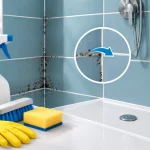
A proper pre-tenancy clean should focus on the areas that affect daily living as well as presentation. Kitchens need clean benches, cupboards, appliances and extraction areas. Bathrooms should be sanitised, with mould and soap build-up addressed rather than painted or wiped over. Floors, carpets, internal windows and high-touch surfaces should also be attended to.
Take clear, dated entry photos and complete a detailed condition report before keys are handed over. Record existing marks, wear, damaged flyscreens, carpet stains and any areas that need repair. This is useful evidence for both parties and encourages a fair, calm conversation at the end of the tenancy.
Cleanliness is different from maintenance
Tenants are generally expected to keep their home reasonably clean and tidy during their tenancy. They should remove their own rubbish, clean up spills, manage ordinary day-to-day cleaning, and leave the property reasonably clean and tidy when they move out.
Landlords remain responsible for maintenance and repairs, unless damage has been caused deliberately or carelessly by the tenant. That distinction matters. A tenant can keep a bathroom clean, but they cannot solve an ongoing leak behind the wall. They can wipe condensation from windows, but they cannot repair ineffective ventilation or a failing extractor fan.
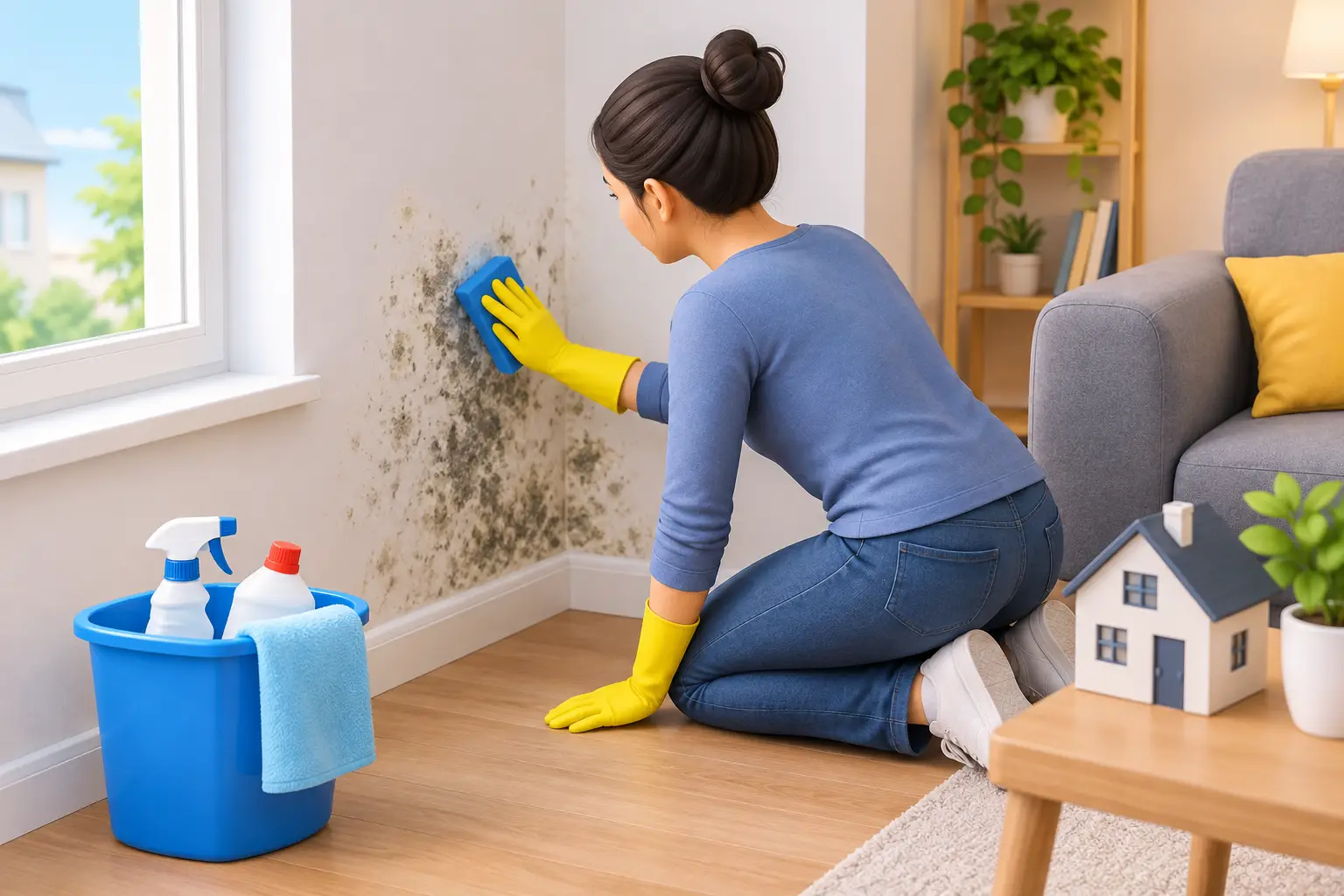
When an issue keeps returning despite reasonable cleaning, investigate the cause. Persistent mould may point to leaks, poor drainage, missing insulation, inadequate heating or ventilation problems. Repeated grime around windows may be linked to water ingress. A dirty-looking exterior can be caused by overflowing gutters, algae growth or a house wash that is overdue.
Treating a maintenance issue as a cleaning issue can lead to avoidable damage and an unhappy tenant. Acting early is usually less costly than waiting for the problem to become a major repair.
Healthy homes responsibilities need ongoing attention
New Zealand rental properties must meet Healthy Homes Standards requirements covering heating, insulation, ventilation, moisture ingress and drainage, and draught stopping. While these are not simply cleaning rules, they directly affect how clean and healthy a home remains.
For example, a working bathroom or kitchen extractor fan helps reduce moisture that can become mould. Clear drains and effective guttering reduce the risk of water getting into the property. Adequate heating and insulation can help lessen condensation in colder months.
Landlords should schedule preventative checks rather than waiting for tenants to report a visible problem. This may include inspecting gutters, roof areas, extractor fans, exterior drainage, ventilation points and weather seals. Give the required notice before entering the property and arrange access at a reasonable time.
What landlords should arrange between tenancies
The period between tenants is the best opportunity to reset the property. Even where outgoing tenants have cleaned well, landlords should inspect carefully and arrange any work needed to bring the rental back to a clean, safe and welcoming standard.
A thorough turnover plan will vary by property, but it commonly includes:
- Deep cleaning kitchens, bathrooms, floors, windows and internal surfaces
- Carpet cleaning where needed due to staining, odours or the property’s condition
- Removing rubbish left behind and cleaning outdoor living areas
- Clearing gutters and checking drainage, especially after heavy weather
- House washing, window cleaning or driveway cleaning where exterior grime affects presentation or drainage
- Repairing leaks, damaged fittings, loose handles, broken appliances and ventilation faults
Not every property needs every service after every tenancy. A well-maintained apartment may only need a detailed internal clean and a few repairs, while a family home with a garden may require exterior work, rubbish removal, lawn care and gutter attention as well. The key is to assess the actual condition rather than applying a one-size-fits-all checklist.
End-of-tenancy cleaning: what is fair?
End-of-tenancy cleaning causes many disputes because “clean” can mean different things to different people. The practical benchmark is that tenants should leave the property reasonably clean and tidy, allowing for fair wear and tear. They are not required to return the property in better condition than it was when they moved in.
Fair wear and tear is the gradual deterioration that occurs through normal use. Faded curtains, worn carpet in a hallway, minor scuffs on painted walls and ageing sealant may fall into this category. A large carpet stain, excessive grease buildup, rubbish left behind or damage caused by neglect is different.
Landlords should avoid automatically charging tenants for professional cleaning. If the property was not professionally cleaned at the start, or the tenant has returned it to a comparable reasonably clean condition, a charge may not be fair. Charges should relate to genuine cleaning or repair needed because of the tenant’s actions, supported by the entry report, exit inspection records and invoices where relevant.
A practical approach is to communicate before the final inspection. Provide tenants with a clear, reasonable cleaning checklist based on the property they are leaving. Identify any concerns promptly, with photographs, and give them the chance to address them where appropriate. This can save time, reduce vacancy delays and avoid bond disagreements.
Exterior cleaning and grounds: check the tenancy agreement
Outdoor responsibilities can depend on what the tenancy agreement says and what is reasonable for the property. Tenants may be expected to keep lawns and gardens reasonably tidy when this is part of the agreement. Landlords, however, remain responsible for structural maintenance, major pruning, drainage problems, unsafe trees, deteriorating fences and work requiring specialist access or equipment.
Gutters are a good example. A tenant may remove leaves from a patio, but cleaning roof-level gutters is usually not an ordinary household task and can create a safety risk. Similarly, pest treatment may depend on the source of the infestation. If pests are present due to a pre-existing property condition, landlord action may be required. If the issue results from poor household hygiene, the situation may be different.
Be specific from the outset. A clear agreement and a seasonal maintenance plan help everyone understand what is expected without placing unsafe or unreasonable work on tenants.
A cleaner property protects your rental income
Regular professional cleaning and maintenance are not just about a polished inspection. They help identify small problems before they interrupt a tenancy or become expensive repairs. Clean extraction fans work more effectively, clear gutters protect exterior surfaces, and well-maintained carpets, bathrooms and kitchens make a stronger impression on prospective tenants.
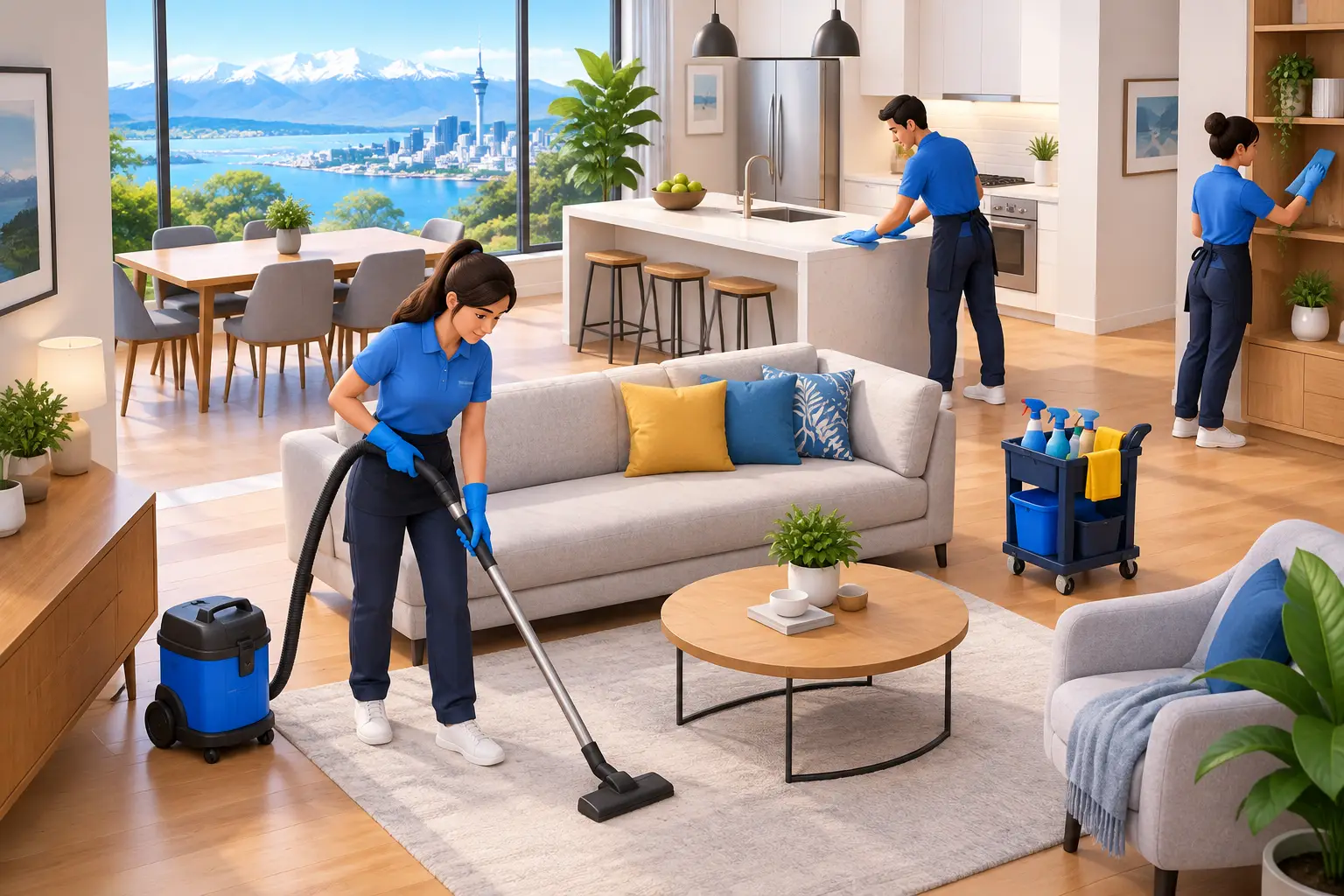
For landlords managing several properties or preparing a home quickly between tenants, a single coordinated service can make the process far easier. Clean Bees provides customised cleaning and property-care support across Auckland, Hamilton and Wellington, with certified, experienced and fully insured teams, supervisor-led quality checks and a 100% Satisfaction Guarantee.
Keep records of inspections, maintenance requests, cleaning invoices and communications with tenants. Good records support fair decisions, but they also help you plan future work before it becomes urgent.
A rental that is genuinely clean, dry and cared for gives tenants confidence from day one. That confidence often leads to better communication, smoother inspections and a property that is easier to let again when the time comes.