


A leaking gutter can become stained ceilings, swollen framing and an urgent tenant call far quicker than most landlords expect. A practical rental property maintenance guide helps you stay ahead of those small issues, protect your investment and give tenants the safe, comfortable home they are entitled to enjoy.
For landlords and property managers in Auckland, Hamilton and Wellington, maintenance is not simply a response to something breaking. It is a planned routine of inspections, cleaning, repairs and clear communication. Done well, it reduces vacancy stress, avoids larger repair bills and keeps the property looking cared for at every stage of a tenancy.
Start with a clear maintenance standard
Every rental should have a consistent baseline: clean, weather-tight, safe, functional and presentable. This applies to obvious areas such as kitchens, bathrooms and flooring, but also to the parts of a property that are easy to overlook – gutters, extractor fans, exterior paintwork, drains, fences and outdoor paths.
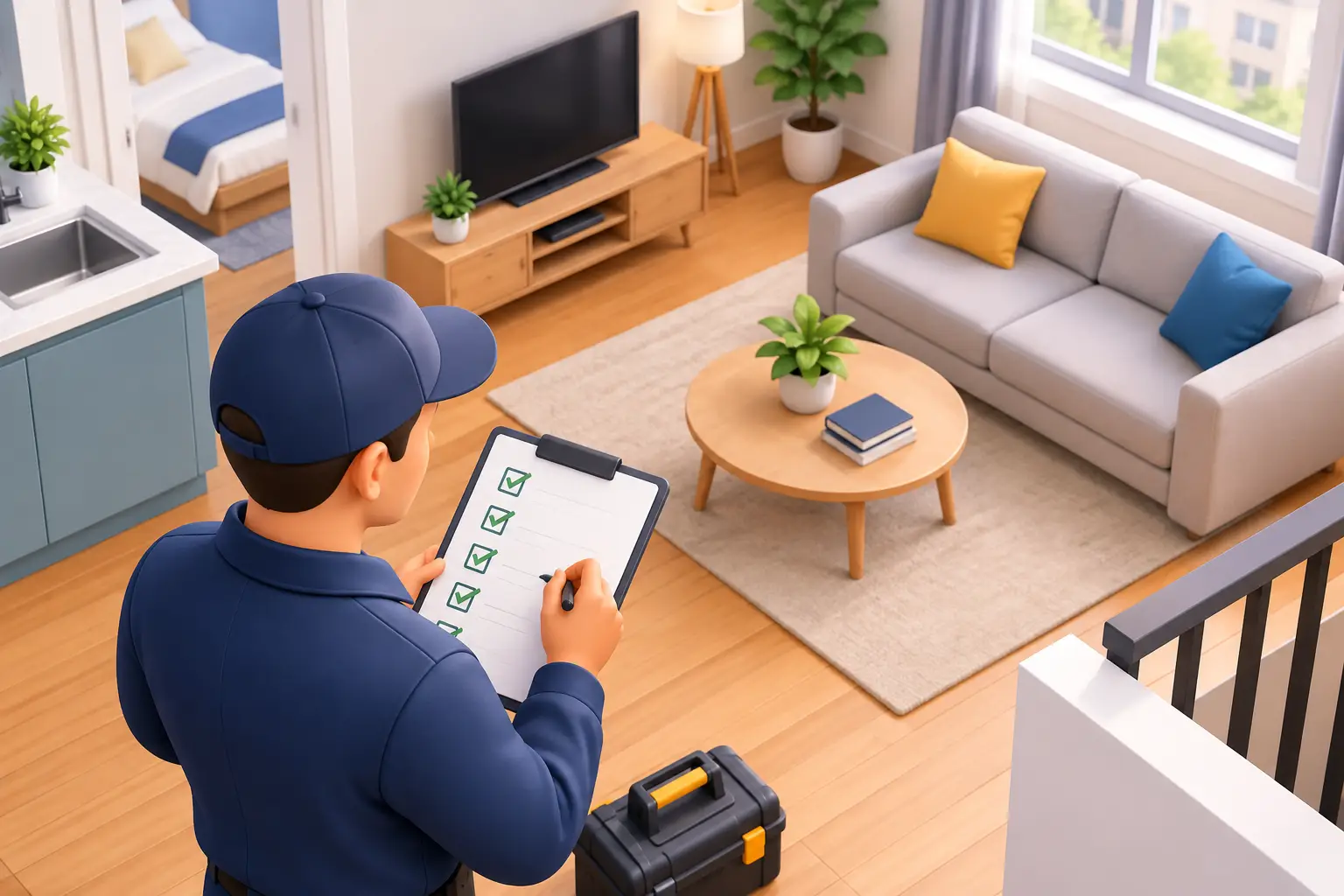
Before a new tenancy, walk through the home with a detailed checklist and dated photographs. Test lights, power points, smoke alarms, taps, toilets, appliances supplied with the property, heating and ventilation. Look for water marks, mould, cracked sealant, loose handrails, damaged flyscreens and signs of pests. Record the condition carefully, then address faults before the tenant moves in where possible.
This creates a useful starting point if a question arises later. More importantly, it lets you hand over a home that feels clean and dependable from day one.
Know what needs prompt attention
Not every maintenance request has the same urgency. A dripping tap may be scheduled alongside other plumbing work, while a burst pipe, loss of hot water, unsafe electrical fault or damaged external door needs immediate action. Tenants should know who to contact and what to do if an urgent problem occurs outside normal hours.
A simple rule works well: act quickly when an issue affects safety, security, sanitation or the basic use of the home. Delaying a roof leak or drainage problem can make a modest repair far more expensive. It can also disrupt your tenant’s day-to-day life and damage the trust that supports a stable tenancy.
Where responsibility is unclear, investigate first rather than making assumptions. For example, a blocked drain may result from tree roots or a damaged pipe, but it may also be linked to unsuitable materials entering the system. A qualified professional can identify the cause and document the work required.
Build a seasonal rental property maintenance guide
New Zealand weather puts rental homes under real pressure. Auckland’s humidity, Wellington’s wind and Hamilton’s colder, damp mornings can each expose weaknesses in a property. A seasonal plan means the work is spread across the year instead of becoming an expensive rush before an inspection or new tenancy.
Autumn and winter: keep water and damp out
Before heavy rain sets in, arrange gutter cleaning and check downpipes are directing water away from the house. Clear leaves from drains and inspect the roof for loose or damaged materials. If water is overflowing near entrances, driveways or paths, deal with it early to reduce slips, surface damage and moisture entering the building.
Inside, check for mould around windows, bathrooms, laundry areas and wardrobes. Clean exhaust fans, ensure ventilation is working and replace deteriorated silicone around showers and baths. Heating, insulation and moisture management should be reviewed in line with current Healthy Homes obligations. Requirements can vary depending on the property and exemption status, so obtain current professional or legal advice when needed.
Spring and summer: restore exterior presentation
Warmer, drier conditions are ideal for exterior care. A house wash can remove built-up dirt, pollen and mildew before it marks painted surfaces. Window cleaning, driveway and concrete cleaning, lawn care, hedge trimming and rubbish removal also make the property safer and more appealing.
This is a good time to inspect fences, gates, decks and steps. Look for loose boards, rusty fixings, peeling paint and trip hazards. Timber that is regularly cleaned and recoated when needed usually lasts longer than timber left exposed to moisture and sun.
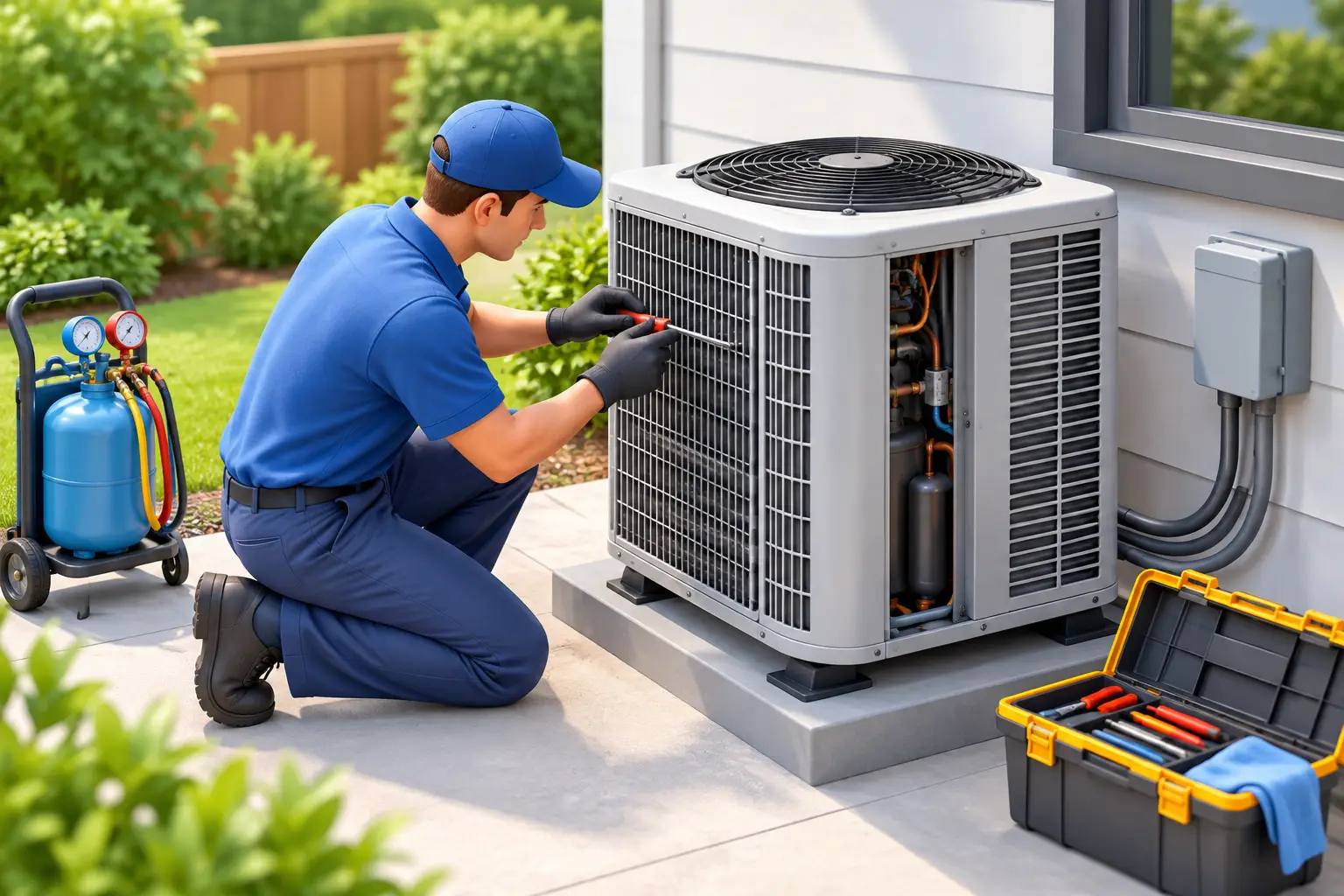
Air-conditioning and heat pump servicing is also worth scheduling before peak use. Clean filters and properly functioning systems support better indoor air quality, reduce strain on equipment and make the home more comfortable for tenants.
Inspect respectfully and document what you find
Routine inspections are one of the best ways to catch minor concerns early, but they need to be handled with care. Give the correct notice, arrange a reasonable time and respect that the rental is your tenant’s home. A well-run inspection should feel organised and useful, not intrusive.
Use the same checklist each time so nothing is missed. Pay attention to leaks beneath sinks, moisture around showers, signs of mould, working smoke alarms, ventilation, fencing, exterior drainage and general wear. Take photographs of maintenance concerns and note what action is required, who will arrange it and by when.
The purpose is not to look for reasons to criticise a tenant. It is to identify issues before they become damage. A tenant may notice a sticking window or a small ceiling stain but not realise it signals a larger maintenance problem. Clear, respectful communication makes it more likely they will report concerns promptly.
Keep cleaning and maintenance connected
Cleaning is often treated as separate from maintenance, but the two work best together. Grease build-up can reduce the effectiveness of kitchen extraction. Uncleaned shower screens and worn sealant can hide water leaks. Blocked gutters, neglected exterior surfaces and overgrown gardens can all contribute to avoidable property deterioration.
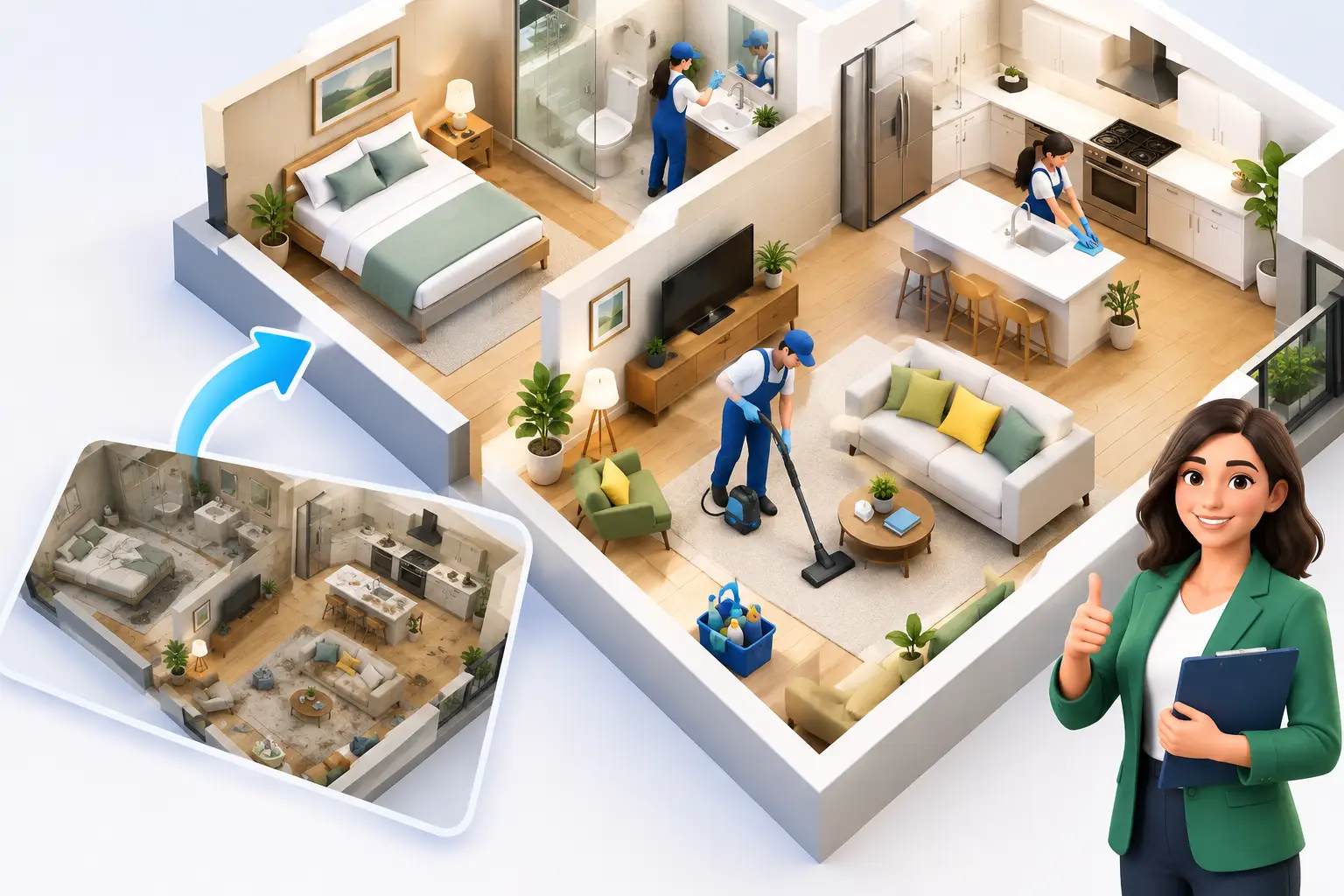
A regular cleaning plan helps preserve finishes between tenancies and can make inspections more meaningful. Deep cleaning before a new tenant arrives, professional carpet cleaning where required, and an end-of-tenancy clean can also reveal repairs that everyday use has concealed.
For multi-property landlords and busy property managers, using one dependable provider for cleaning, gardens, gutter work, rubbish removal and selected handyman tasks can reduce the time spent coordinating separate trades. The right arrangement depends on the property and the scope of work, but a single point of contact can make routine upkeep far easier to manage.
Set expectations at the beginning of the tenancy
A tenant handbook or clear move-in conversation can prevent avoidable confusion. Explain how to report repairs, which issues are urgent, where water shut-off points are located and how to use supplied appliances, heating and ventilation. Include practical guidance on avoiding moisture, such as using extractor fans, reporting leaks early and keeping air circulating in wet areas.
Be equally clear about routine tenant responsibilities, such as keeping the home reasonably clean, removing their own rubbish and notifying you of damage or faults. Landlords remain responsible for meeting their maintenance obligations, so do not rely on informal assumptions. Put expectations in writing and keep communication calm, direct and professional.
Choose qualified help for specialised work
Some jobs are suitable for routine upkeep; others need certified tradespeople. Electrical repairs, plumbing changes, roofing concerns, pest treatment, structural work and major mould issues should be assessed by professionals with the right experience and insurance. Trying to save money on the wrong repair can create a safety risk and a much larger bill later.
When booking property services, ask what is included, whether photographs or completion notes will be provided, and how quality is checked. For occupied rentals, punctual attendance, respectful staff and clear updates matter just as much as the work itself. Clean Bees supports landlords and property managers with customised cleaning and exterior maintenance services, delivered by certified, experienced and fully insured professionals with supervisor-led quality checks.
Keep records that make decisions easier
Maintain a simple property file with inspection reports, invoices, warranties, photos, tenant maintenance requests and notes on completed repairs. This history helps you budget for recurring work, track appliance age and show that concerns were handled responsibly.
It also makes smarter decisions possible. If a bathroom needs repeated mould treatment, the answer may not be another clean alone. It could be an extractor fan issue, poor ventilation, a hidden leak or inadequate heating. Good records reveal patterns, so you can address the cause rather than continually paying for the symptom.
A well-maintained rental rarely stays that way by accident. Regular attention, professional support and respectful communication give tenants confidence in their home and give you confidence that your property is being protected.