

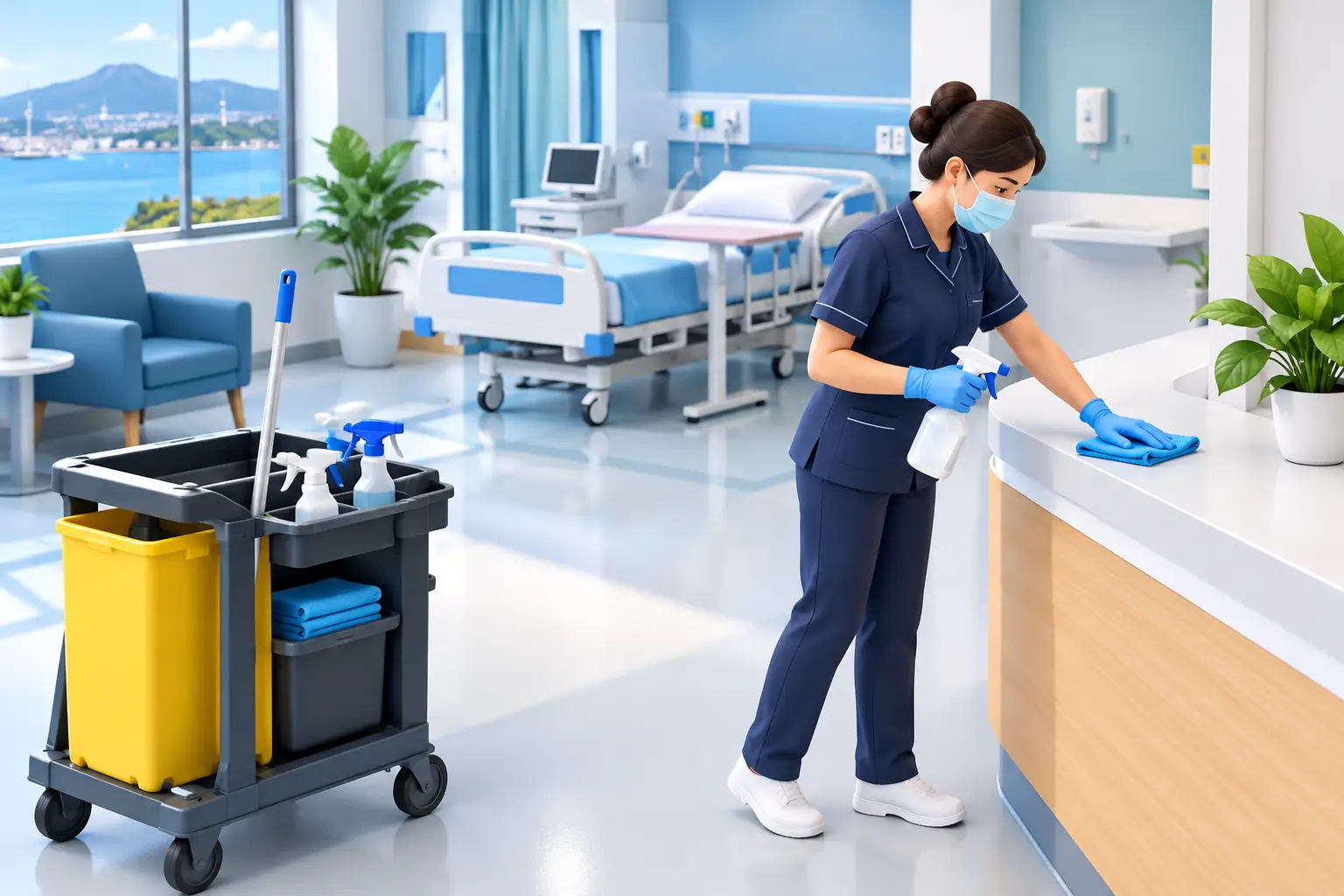
A treatment room can look tidy and still present a hygiene risk. A missed touchpoint, an incorrectly mixed disinfectant or a cloth used across multiple rooms can undermine the care a facility works hard to provide. This healthcare cleaning guide is designed for New Zealand clinics, aged-care settings, dental practices and medical offices that need practical, dependable routines without disrupting patients, residents or staff.
Healthcare cleaning is not simply commercial cleaning with stronger products. It is a planned service that supports infection prevention, patient confidence and a workplace that feels calm, cared for and ready for the day. The right approach balances thoroughness with privacy, product safety and the individual needs of each facility.
Why healthcare cleaning needs a different standard
People enter healthcare environments when they are unwell, vulnerable, supporting a loved one or seeking reassurance. Clean floors, fresh washrooms and orderly reception spaces all matter, but the less visible details matter just as much. High-touch surfaces need careful attention, waste must be managed correctly, and cleaning teams need to understand where cross-contamination can occur.
A general office routine may focus on desks, bins and presentation. A healthcare routine also considers how people move through the space, which surfaces are repeatedly touched and whether an area is used for consultation, treatment, waiting or staff breaks. A reception counter has different risks from a bathroom, and a low-traffic administration room does not require the same response as a treatment area.
The appropriate frequency depends on your facility, patient volume, the types of services delivered and your own infection prevention policies. A busy Auckland medical centre may need multiple touchpoint cleans throughout the day. A small specialist practice may prefer a detailed after-hours service, with staff handling immediate spills and between-patient requirements under their internal procedures.
Healthcare cleaning guide: start with zones and priorities
The most reliable cleaning plans are based on zones rather than a one-size-fits-all checklist. Walk through the premises and identify how each space is used, who uses it and the level of cleaning required. This makes expectations clear for both your team and your cleaning provider.
Public and patient-facing spaces
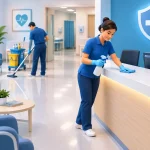
Reception areas, waiting rooms, entry doors, payment terminals, chairs and accessible toilets shape the first impression of your service. They also have frequent contact from patients, visitors and staff. Floors should be clean and dry, glass should be free of marks, and common touchpoints should be attended to at the frequency set by your facility.
Keep the space uncluttered where possible. Too much furniture, paper or promotional material creates extra surfaces for dust to settle and makes thorough cleaning slower. If children use the waiting room, include toys, tables and shared activity surfaces in the facility’s cleaning process or remove items that cannot be cleaned safely.
Consultation and treatment rooms
These rooms require a clear division of responsibility. Clinical staff should manage cleaning and disinfection tasks that sit within patient care and clinical protocols, including between-patient processes and any equipment-specific requirements. Professional cleaners can support the environment around that care with floors, non-clinical fittings, external surfaces and scheduled detailed cleans.
Equipment must always be cleaned according to the manufacturer’s instructions. Do not assume a general-purpose chemical is suitable for examination beds, monitors, upholstery or specialised medical devices. Using the wrong product can damage surfaces, void warranties or leave residue where it is not wanted.
Staff rooms and administration areas
Staff spaces are sometimes overlooked because they are not patient-facing, yet they can quickly become unhygienic in a busy shift. Kitchen benches, fridge handles, taps, microwaves, lockers and shared keyboards benefit from a defined routine. Clean staff facilities also give your team a better place to take a break and reset.
Administration areas usually need a lower-intensity schedule, unless they are shared frequently or used by patients. Desk cleaning should be agreed with staff, particularly where confidential records, personal belongings or sensitive equipment are present.
Washrooms, utility rooms and waste points
Washrooms need consistent attention to toilets, basins, taps, door handles, dispensers, floors and refill levels. A washroom that smells fresh but has poorly cleaned touchpoints is not enough. Utility and waste areas need equally clear procedures, including appropriate segregation, storage and collection arrangements set by the facility.
Healthcare cleaners should not handle clinical waste unless that work is specifically agreed, properly trained for and supported by the right systems. Be precise about what is included in a scope of work. This protects staff, patients and the cleaning team.
Clean first, then disinfect where required
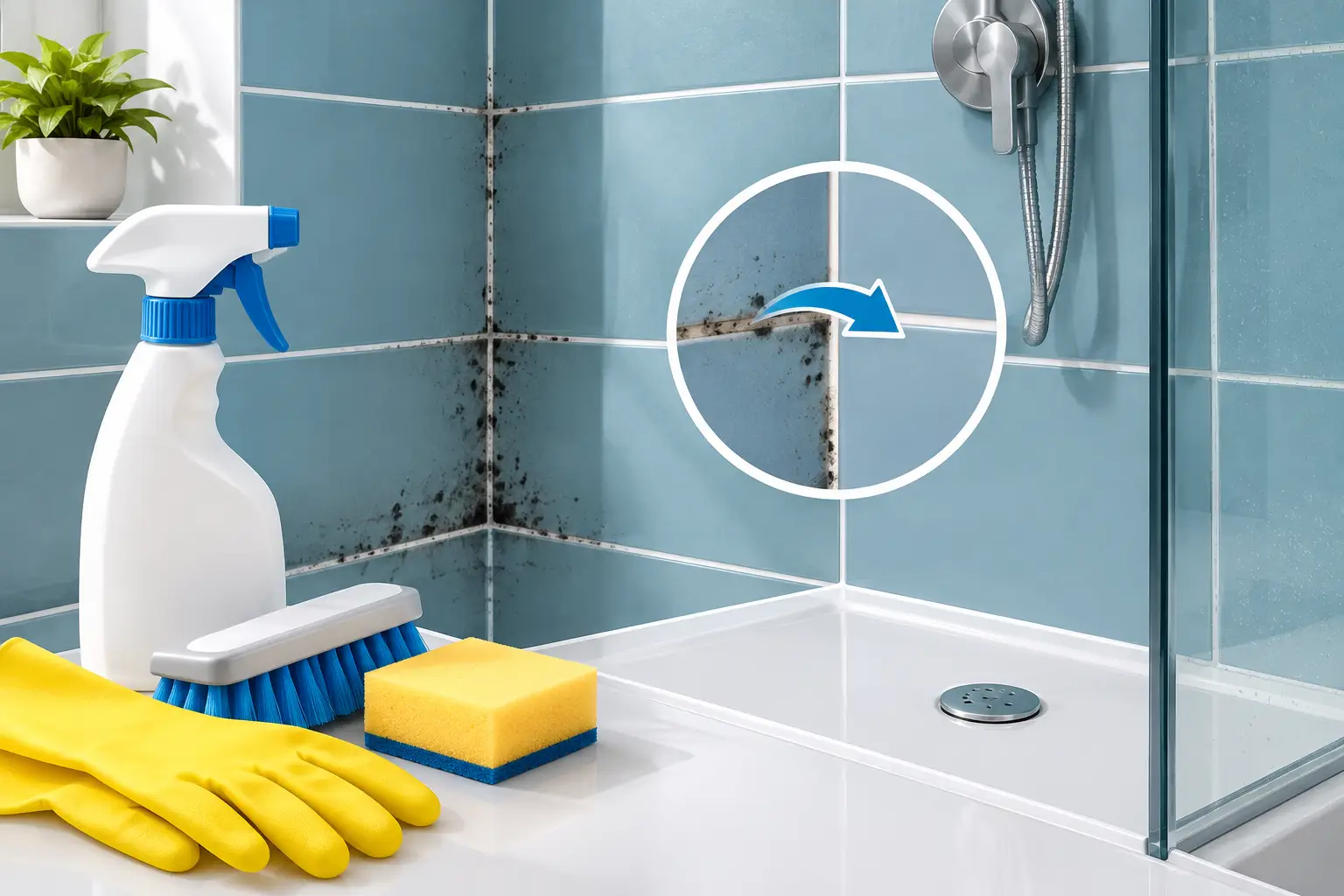
Cleaning and disinfecting are related, but they are not the same task. Cleaning removes visible soil and reduces contaminants from a surface. Disinfection uses an approved product to reduce microorganisms on an already clean surface, following the label directions and required contact time.
Skipping the cleaning stage can make a disinfectant less effective, especially where a surface has dust, body fluids or other residue. Equally, using more chemical than needed is not a sign of better hygiene. It can leave strong odours, cause irritation, damage finishes and create slip hazards.
Use products that are suitable for the surface and purpose, and make sure the cleaning team understands dilution, storage, ventilation and personal protective equipment requirements. Never mix chemicals. A well-organised colour-coding system for cloths and mop heads can also help prevent equipment from moving between washrooms, public spaces and clinical areas.
Build a schedule that works around patient care
A good schedule separates daily presentation tasks from regular detailed cleaning and immediate response work. Daily work may cover floors, bathrooms, reception areas, bins and agreed touchpoints. Weekly or periodic work can include skirting boards, vents, internal glass, upholstery, high dusting and areas behind movable furniture.
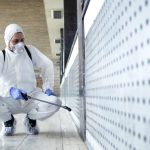
There also needs to be a plan for the unexpected. Vomit, blood, broken glass, overflowing bins and water leaks require a fast, controlled response by people trained and equipped for the task. Your team should know who to contact, how the area will be isolated and what information a cleaning provider needs before attending.
Timing matters. After-hours cleaning often reduces disruption and allows a detailed service, particularly for consultations and procedures. Daytime support can be valuable in high-volume facilities where washrooms, waiting rooms and entrances need ongoing attention. Many sites benefit from a combination of both.
Protect privacy, safety and continuity
A healthcare facility cannot pause simply because cleaning is underway. Cleaners need to work quietly around appointments, respect patient privacy and avoid obstructing access. Wet-floor signage, secure chemical storage and careful cable management are basic but essential safeguards.
Confidentiality is equally important. Cleaning staff may encounter patient names, appointment schedules or documents left at reception. These materials should never be read, moved unnecessarily or photographed. Professional teams should understand access procedures, sign-in requirements and who to speak to if they notice a safety, maintenance or hygiene concern.
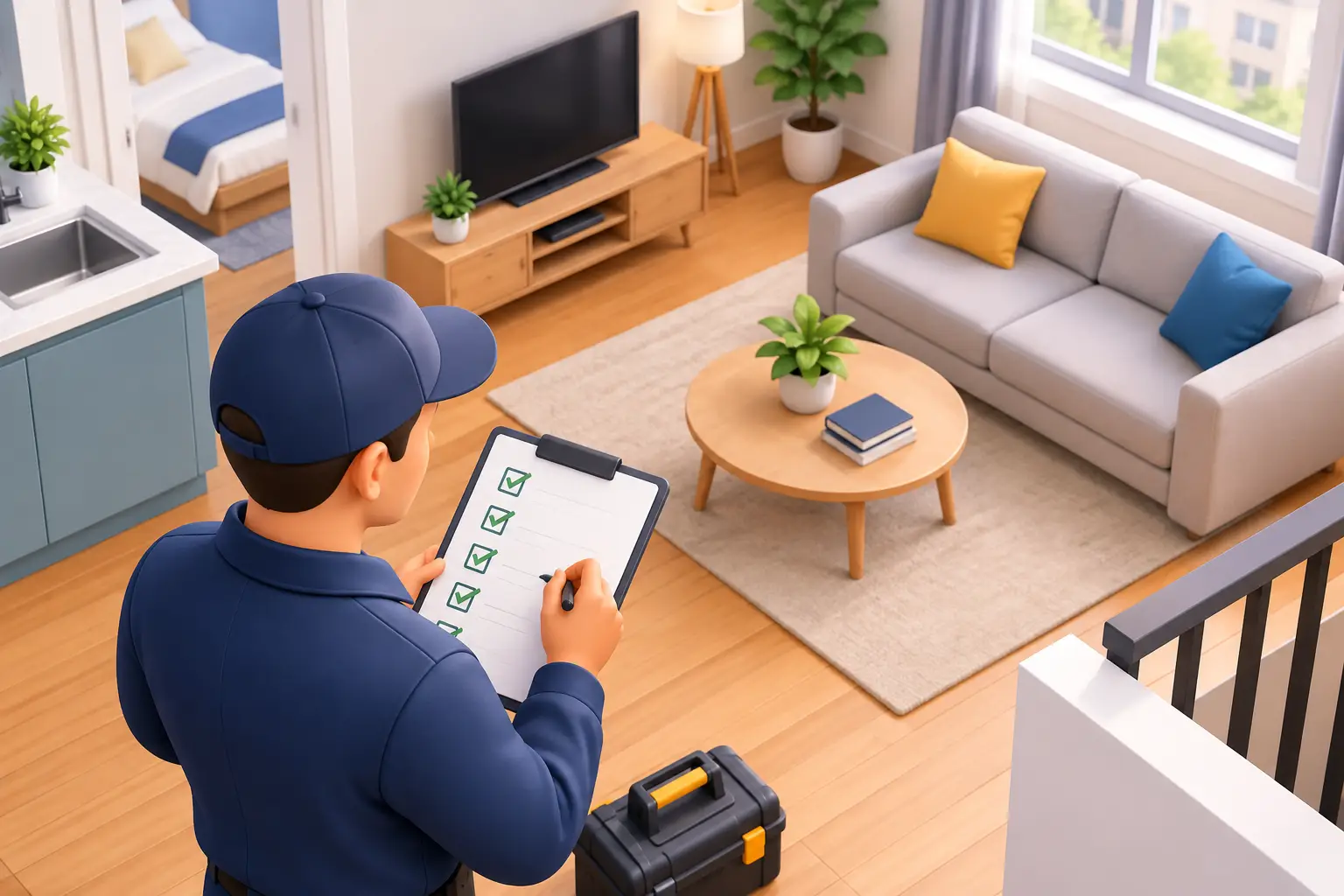
Consistency is what turns a cleaning plan into a reliable service. Site-specific instructions, documented checks and supervisor follow-up make it easier to spot missed details before they become recurring issues. If the person cleaning changes, the required standard should not.
Choosing professional healthcare cleaning support
When comparing providers, ask practical questions rather than relying on broad promises. Can they tailor a schedule to your rooms and operating hours? Are their staff experienced, insured and trained for healthcare environments? Do they use appropriate products and have a process for quality checks, concerns and urgent requests?
Price matters, but the cheapest quote can create avoidable problems if the scope is vague or the service is inconsistent. Look for a provider that will inspect the site, define the tasks clearly and adjust the plan when your patient volumes, rooms or operating hours change.
Clean Bees provides customised medical and healthcare cleaning for facilities across Auckland, Hamilton and Wellington, with certified, experienced and fully insured professionals. Supervisor-led quality checks and flexible scheduling help practices maintain a clean, welcoming environment with minimal interruption to care.
A well-run cleaning programme gives your staff one less operational worry. When the rooms are prepared, the washrooms are fresh and the details are checked consistently, patients can focus on why they came through the door: receiving the care they need.