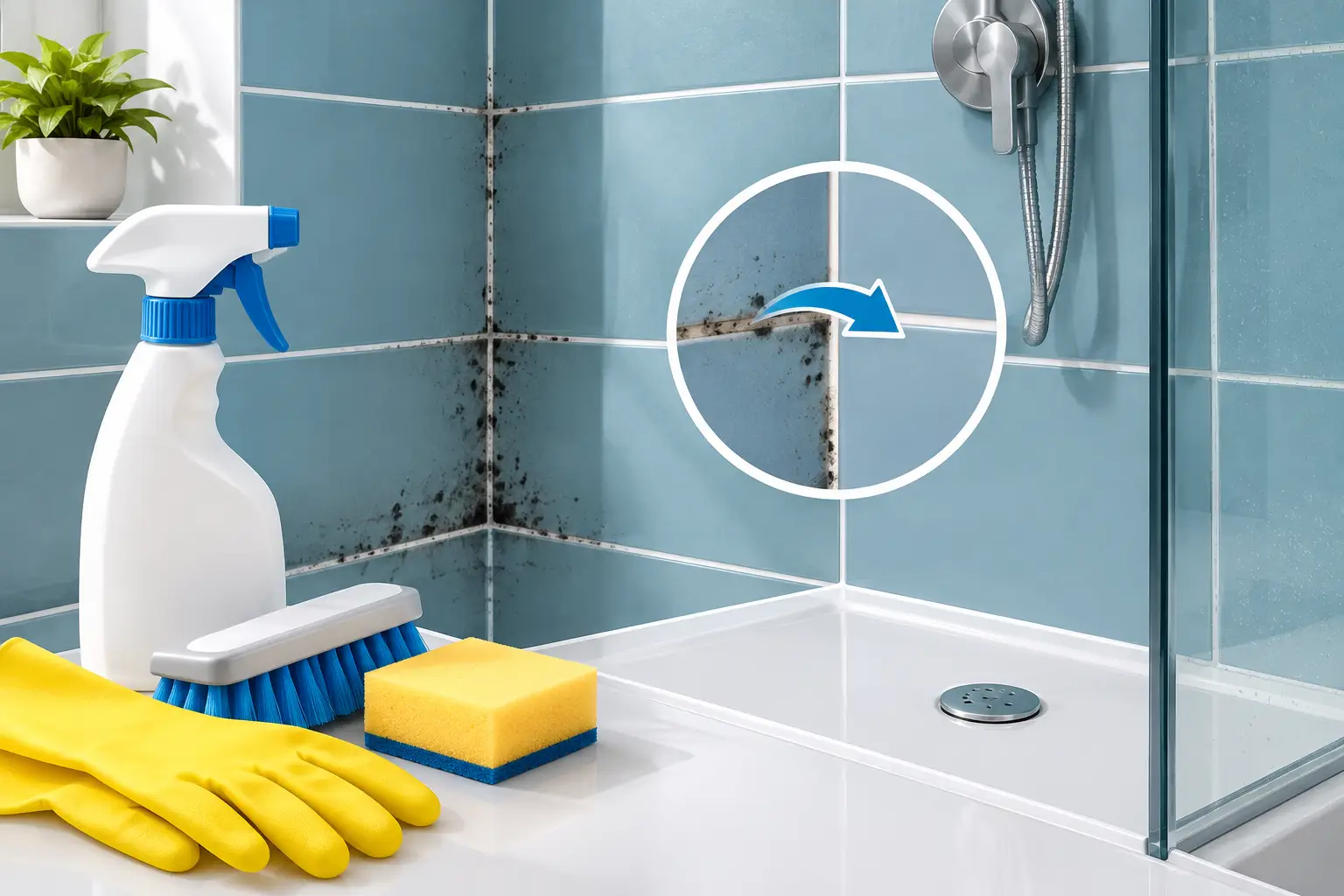


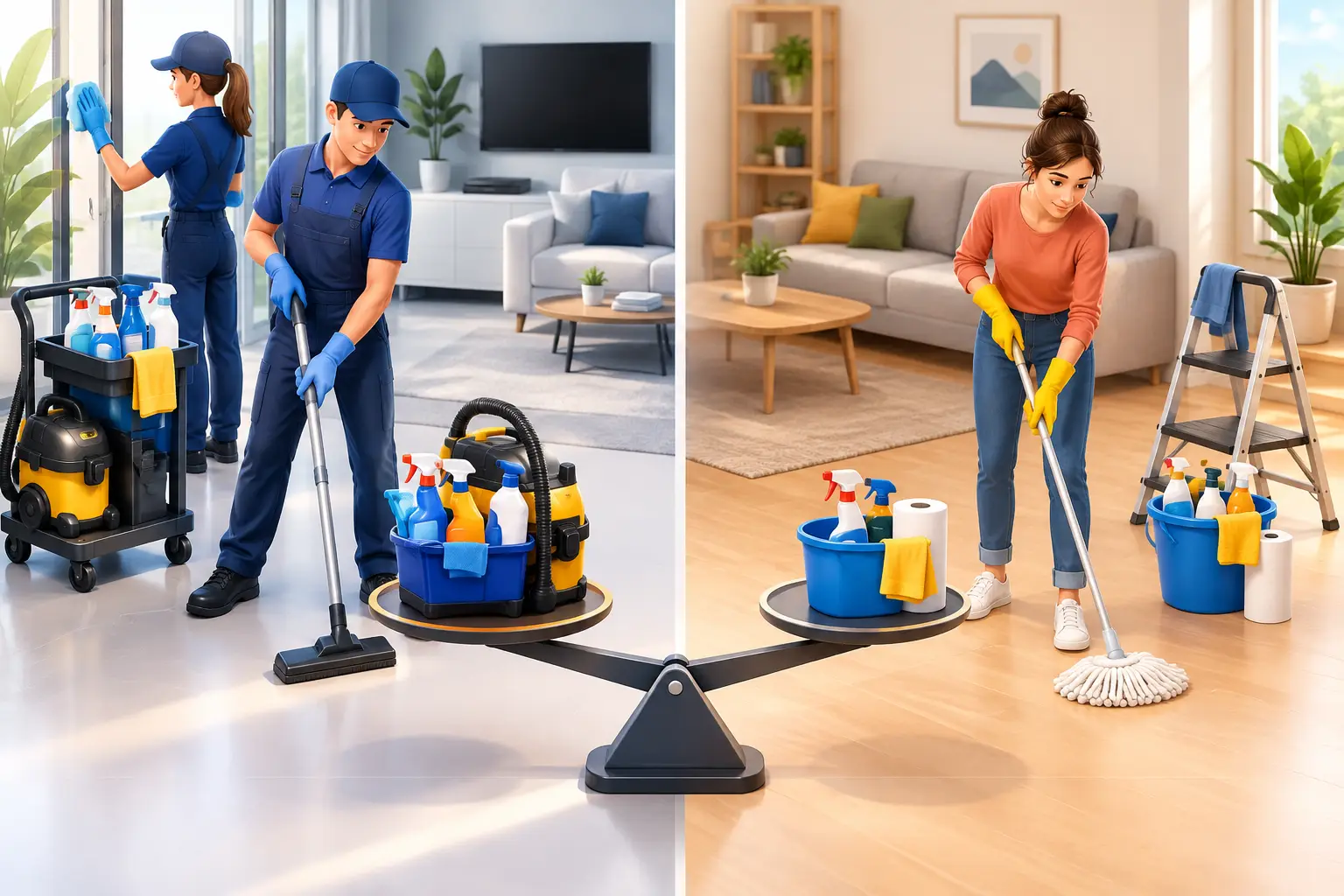
A rental inspection is booked, the family calendar is full, and the shower grout is still holding onto months of build-up. This is where professional cleaning versus DIY becomes a practical decision rather than a debate about who owns a mop. Both options have their place. The right choice depends on the condition of the property, the standard required, the time available and the consequences if the job falls short.
For many Auckland, Hamilton and Wellington households, a quick weekly tidy is easy to manage. But moving home, preparing for an inspection, restoring an exterior surface or maintaining a busy workplace can demand more time, equipment and skill than expected. Knowing where DIY works well and where professional support is worth it helps you protect your property, your schedule and your peace of mind.
Professional Cleaning Versus DIY: Start With the Real Task
DIY cleaning is often the sensible option for routine upkeep. Wiping benches, vacuuming floors, cleaning a bathroom each week and keeping kitchen surfaces under control can stop grime from becoming a bigger job. Regular care also helps families notice small maintenance issues early, such as mould around a window frame or a leaking tap beneath the vanity.
The calculation changes when a task requires a specific result, not simply a cleaner-looking room. An end-of-tenancy clean may be checked against a property manager’s expectations. A medical practice needs consistent hygiene standards without disrupting appointments. A post-construction site can contain fine dust in places that ordinary household cleaning misses. In these situations, the question is not whether you can clean it yourself. It is whether you can achieve the required standard reliably, safely and within the available time.
Professional cleaners bring a planned process, trained people and commercial-grade equipment. That can mean better results on carpet marks, shower scale, oven grease, high windows, exterior mould and accumulated dust. It also means the work is completed to an agreed scope rather than fitting around the last spare hour of a busy weekend.
The True Cost Is More Than the Booking Price
DIY can appear cheaper because the immediate cost is limited to products and tools. For a light clean, that may be true. Yet larger jobs often involve several product purchases, replacement cloths, vacuum hire, specialist solutions and hours of unpaid labour. A low-cost cleaner used on the wrong surface can also cause damage, particularly to natural stone, timber finishes, delicate fittings, painted walls or exterior cladding.
Time has value as well. A thorough spring clean can take a household most of a day, while an exit clean may stretch across an entire weekend. For parents, shift workers, landlords managing several properties or business owners, those hours can be more costly than a professional booking.
Professional cleaning is an investment when it reduces rework, protects a bond, improves presentation for tenants or customers, or frees you to focus on work and family. It is less compelling for a small, straightforward task you can complete properly in 20 minutes. The best approach is not all-or-nothing. Many customers keep up routine cleaning themselves and call in professionals for periodic deep cleans or high-stakes jobs.
Consider the cost of getting it wrong
A rushed DIY clean can create avoidable pressure before an inspection or handover. Missed oven grease, overlooked skirting boards, bathroom scale and dusty vents are common reasons a property still feels unfinished after many hours of work. For commercial premises, inconsistent cleaning can affect staff comfort, customer confidence and workplace safety.
There is also a safety factor. Working at height to clean windows or gutters, using strong chemicals in poorly ventilated spaces, moving heavy furniture and treating mould without appropriate protection can carry real risk. A certified, experienced and fully insured team provides accountability that a home cleaning attempt cannot always offer.
Where DIY Cleaning Delivers Good Value
DIY remains useful for maintaining a clean, comfortable property between professional visits. It works best when jobs are regular, low-risk and easy to complete with standard equipment. Daily kitchen resets, quick bathroom wipes, vacuuming, laundry and spot-cleaning a fresh spill are all effective ways to keep a home feeling cared for.
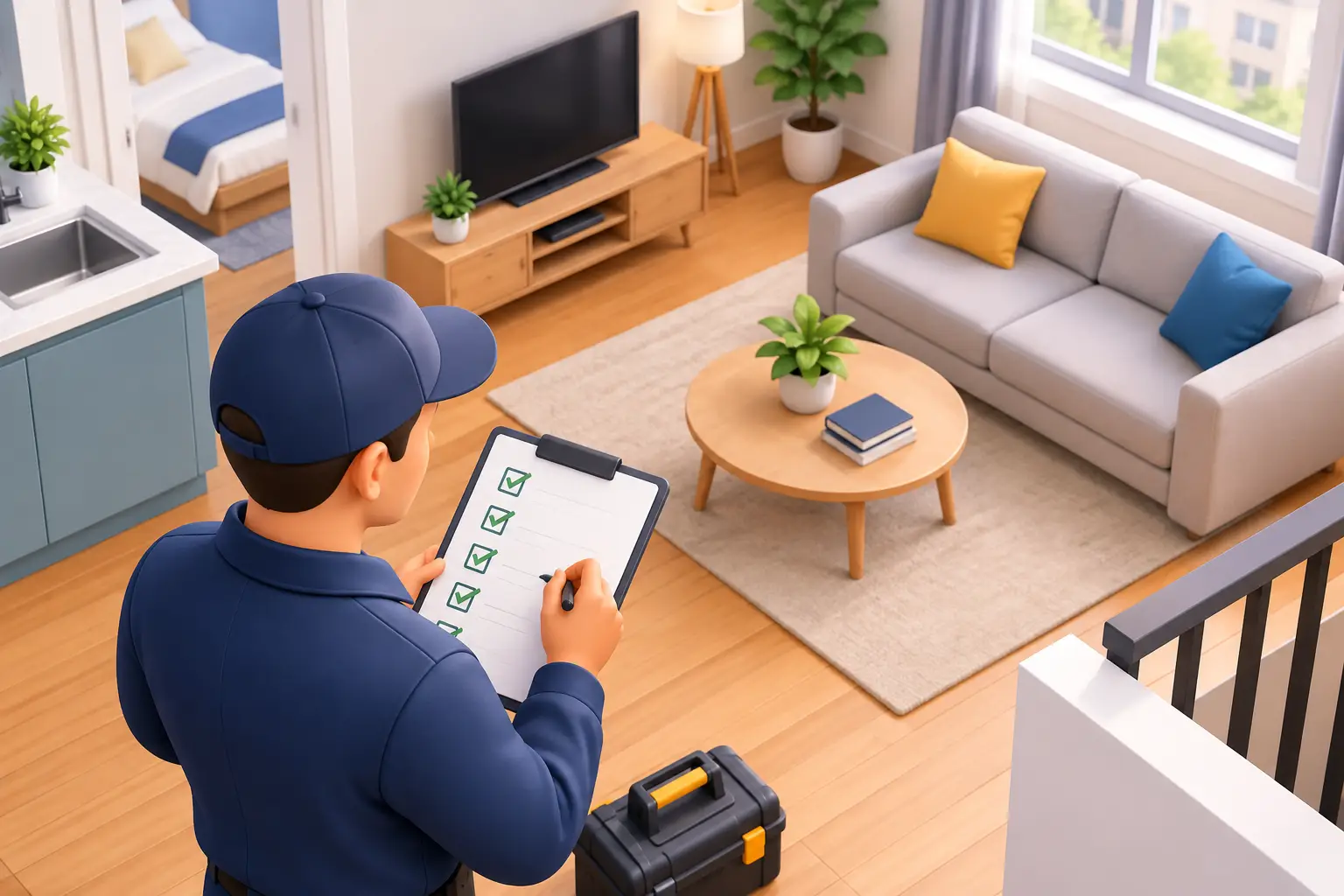
For landlords and property managers, simple checks between tenancies can also help identify what needs attention before a full service is booked. Taking note of scuffs, cobwebs, exterior mould, carpet spots, garden overgrowth or rubbish left behind gives you a clearer scope and helps prevent last-minute surprises.
The key is consistency. Ten minutes spent on a kitchen each evening is more effective than waiting for grease and clutter to build up. However, maintenance cleaning should not become a reason to postpone deeper work indefinitely. Even tidy homes benefit from periodic attention to areas that are easy to miss, including behind appliances, inside cupboards, under furniture, window tracks and bathroom exhaust fans.
When Professional Cleaning Is the Better Choice
Professional help is especially valuable when the property needs to look inspection-ready, guest-ready or business-ready by a fixed date. End-of-tenancy cleaning, pre-sale preparation, deep cleaning after illness, post-construction cleaning and hospitality cleaning are all jobs where detail matters. A structured team can work through the property methodically rather than leaving the difficult areas for later.
Exterior care is another area where professional service is often the practical choice. House washing, roof cleaning, gutter cleaning, driveway treatment and high window cleaning require the right access methods and an understanding of which products are suitable for each surface. In New Zealand’s damp conditions, mould, moss and lichen can return quickly if the underlying build-up is not properly treated.
Businesses benefit from consistency above all. Office, retail, healthcare, industrial and hospitality spaces need cleaning that fits around operations, arrives on time and is checked for quality. A missed clean or poorly maintained washroom is noticed immediately by staff and visitors. A tailored schedule gives managers a dependable standard without having to coordinate multiple people or trades.
One provider can reduce property admin
A cleaning need often reveals other property tasks. A move-out may require carpet cleaning, rubbish removal, lawn work, window cleaning or small repairs. A commercial site may need exterior washing, pest control, maintenance or a regular cleaning plan. Coordinating each service separately takes time and can delay a handover.
A one-stop property-services provider can make this simpler. Clean Bees supports households, landlords, property managers and businesses with customised cleaning and maintenance services, backed by certified, experienced and fully insured professionals. Supervisor-led quality checks and a 100% Satisfaction Guarantee provide extra reassurance when the result matters.
How to Choose Without Overpaying
Before deciding, assess the job honestly. Consider the size of the space, how long dirt has been building up, whether there is a deadline, and whether specialist equipment or safe access is required. If the task is routine and manageable, DIY may be the efficient answer. If it involves a handover, health-sensitive setting, difficult stain, working at height or a result that must meet expectations, professional support is usually the safer choice.
Be clear about the outcome you need. For example, “clean the house” is broad, while “prepare a three-bedroom rental for final inspection, including oven, windows and carpets” gives a much more useful starting point. The same applies to commercial bookings: identify operating hours, high-traffic areas, washroom needs and any hygiene priorities.
It also helps to think ahead. A regular cleaning plan can prevent the expense and disruption of repeated emergency deep cleans. For a rental portfolio or workplace, scheduled care makes condition checks easier and helps maintain a professional standard throughout the year.
A clean property should not come at the expense of your weekend, safety or confidence. Keep the everyday jobs within reach, and bring in experienced support when the task calls for a higher standard. That balance keeps homes comfortable, rentals presentable and workplaces ready for the people who rely on them.