


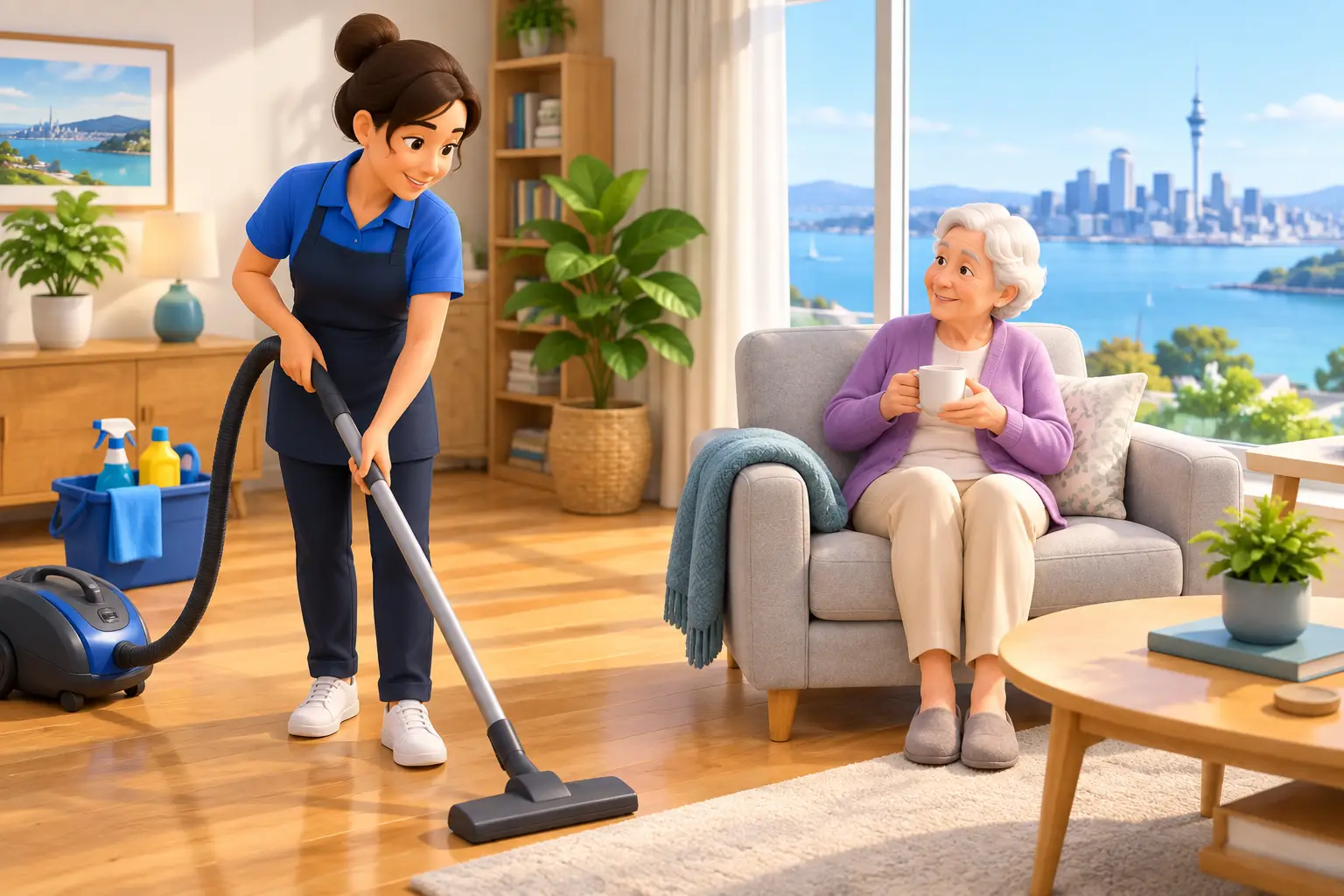
A home can become harder to manage long before a person is ready to leave it. For many families, cleaning help for elderly Auckland residents is not about achieving a picture-perfect house. It is about keeping walkways clear, kitchens hygienic, bathrooms safe to use, and the home calm and comfortable for everyday living.
The right support also gives family members reassurance. Rather than trying to fit demanding cleaning jobs around work, school runs and caring responsibilities, they can arrange dependable help that respects their parent, partner or relative’s routine. A regular cleaner cannot replace medical or personal care, but they can make the home a safer and more pleasant place to live.
What elderly home cleaning support should achieve
A useful cleaning service begins with the person, not a standard checklist. Some older Aucklanders want weekly help with floors, bathrooms and the kitchen. Others may be managing well day to day but need assistance with spring cleaning, windows, oven cleaning, rubbish removal or a deep clean after illness.
The practical goal is to reduce the jobs that involve bending, reaching, lifting or standing for long periods. Wet bathroom floors, cluttered hallways, heavy vacuuming and stretching to clean high surfaces can all create unnecessary risk. Consistent cleaning helps address these tasks before they build up into a larger, more stressful job.
A clean environment can also support comfort and wellbeing. Dust, mould, spills and food residue are easier to manage when addressed regularly. This matters particularly where a household member has reduced mobility, allergies, respiratory concerns or a weakened immune system. The service should be thorough without disrupting the way someone likes to live in their own home.
Cleaning help for elderly Auckland households: what to include
Every home has different priorities, so a customised plan is usually more helpful than a fixed package. A cleaner may focus on the areas used most often, such as the bathroom, kitchen, bedroom and living room, while carrying out lighter tasks elsewhere.
For regular visits, families commonly ask for vacuuming and mopping, dusting accessible surfaces, cleaning bathrooms and toilets, wiping kitchen benches, removing rubbish and changing bed linen where requested. These are simple jobs on paper, but they make a real difference to day-to-day comfort.
Periodic visits can take care of jobs that are more demanding or easily missed, including interior windows, skirting boards, rangehoods, cupboards, carpet cleaning and deep bathroom cleaning. Exterior maintenance may also be worth considering where leaves, overgrown paths or dirty windows are affecting the home’s appearance and safety.
The best scope depends on the person’s mobility, household size, pets, budget and existing support. A person living independently in a tidy unit may only need a short weekly visit. A larger home, or a household where a family carer is already stretched, may benefit from more frequent cleaning and occasional property maintenance.
Start with safety, dignity and clear communication
Inviting someone into an older person’s home requires trust. The service should feel respectful from the first conversation, especially if the person is private, anxious about change or accustomed to doing everything themselves.
Before the first visit, agree on what will be cleaned, the preferred day and time, and any areas that should not be touched. It helps to identify where cleaning products are stored, which belongings are valuable or sentimental, and whether there are mobility aids, pets, hearing difficulties or access requirements to be aware of. Clear instructions avoid confusion and let the cleaner work confidently.
Consistency matters too. Familiarity can make regular cleaning feel far more comfortable, particularly for people living with memory changes or reduced confidence. Punctual arrival, respectful conversation and careful attention to the agreed plan are not small details. They are what turns a cleaning visit into dependable support.
Families should also keep expectations realistic. A cleaning team can maintain hygiene and order, but they are not a substitute for nursing, medication support, meal preparation or personal care unless those services have been separately arranged with an appropriate provider. Where care workers, family members and cleaners all visit the home, a simple shared understanding of each role prevents important tasks being overlooked.
Questions to ask before booking
Choosing on price alone can create problems, particularly where reliability and household safety matter. Ask how the provider screens and trains its staff, whether the service is insured, and how quality is checked after a visit. It is also worth asking whether the cleaning plan can change as needs change.
Four practical questions can make the decision easier:
- Can the service focus on the rooms and tasks that matter most to the resident?
- Are cleaners certified, experienced and fully insured?
- Is there a supervisor or clear contact person if feedback is needed?
- Can extra work, such as carpet cleaning, window cleaning or garden tidy-ups, be arranged when required?
A provider that can coordinate several property tasks can reduce the burden on families. Instead of organising separate people for a deep clean, exterior wash, rubbish removal or minor handyman work, there is one accountable point of contact. That convenience is valuable, but it should never come at the cost of clear pricing and a properly agreed scope of work.
Making the first clean feel manageable
The first visit is often the best time for a more detailed clean. It gives the team a baseline and allows regular appointments to focus on maintenance rather than catching up on months of built-up work. If the home needs substantial attention, splitting the work over more than one visit may be less tiring for the resident and more practical for the household.
Try not to rearrange a person’s entire home without discussing it first. Familiar objects and routines can be important. Clean around belongings with care, return items to their usual place where possible, and ask before moving furniture, paperwork or personal possessions.
Eco-conscious products can be a good option, especially where fragrances trigger headaches or breathing discomfort. However, gentler products are not automatically right for every job. Bathrooms, mould-prone areas and heavy grease may require a suitable targeted product to achieve a hygienic result. A professional cleaner should explain the approach and accommodate reasonable preferences.
Support that adapts as circumstances change
Needs often change gradually. A once-a-month clean may become a fortnightly visit after a fall, a hospital stay, a move, or a change in mobility. Similarly, a family may need short-term help while arranging longer-term care or preparing a home for a relative to return from hospital.
Flexible scheduling is valuable in Auckland, where appointments, visitors and traffic can make a rigid plan difficult. A responsive service should allow households to adjust the cleaning plan without making the process harder than the cleaning itself.
Clean Bees provides customised home cleaning and property support with certified, experienced and fully insured professionals, supervisor-led quality checks and a 100% Satisfaction Guarantee. For elderly and dependent households, that accountability helps families arrange practical help with confidence, whether the need is a regular clean, a deep refresh or additional property care.
A well-kept home does more than look fresh. It gives an older person more freedom to enjoy their own surroundings, and gives the people who care about them one less worry to carry.