

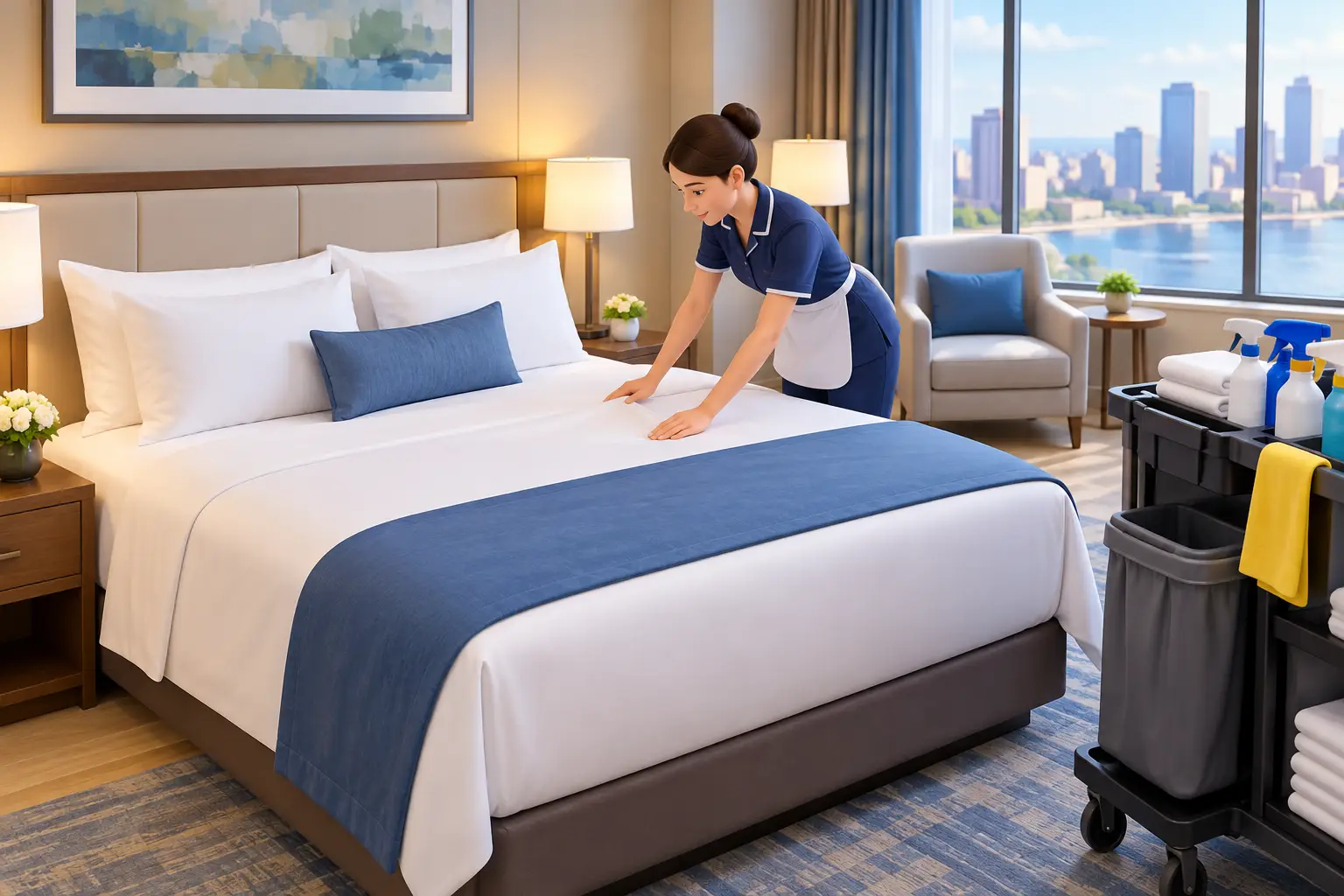
A guest may never see the housekeeping team at work, but they notice the result within seconds. Crisp linen, a spotless bathroom, a fresh-smelling room and rubbish removed before check-in all shape whether a stay feels cared for. Reliable hotel housekeeping cleaning services protect that first impression while giving managers confidence that rooms, public areas and back-of-house spaces are ready when they need to be.
For hotels, motels, serviced apartments and accommodation providers across Auckland, Hamilton and Wellington, cleaning is not simply a task to tick off between bookings. It affects guest comfort, online reviews, staff workload, maintenance standards and the pace of daily operations. The right cleaning partner brings structure to a busy environment where late check-outs, early arrivals and unexpected requests are part of the job.
What hotel housekeeping cleaning services should cover
A good service plan starts with the property rather than a one-size-fits-all checklist. A 10-room motel with frequent overnight stays has different needs from a city hotel, a luxury lodge or a serviced-apartment building with longer-term guests. Room numbers, occupancy patterns, common areas and the level of service promised to guests should all guide the schedule.
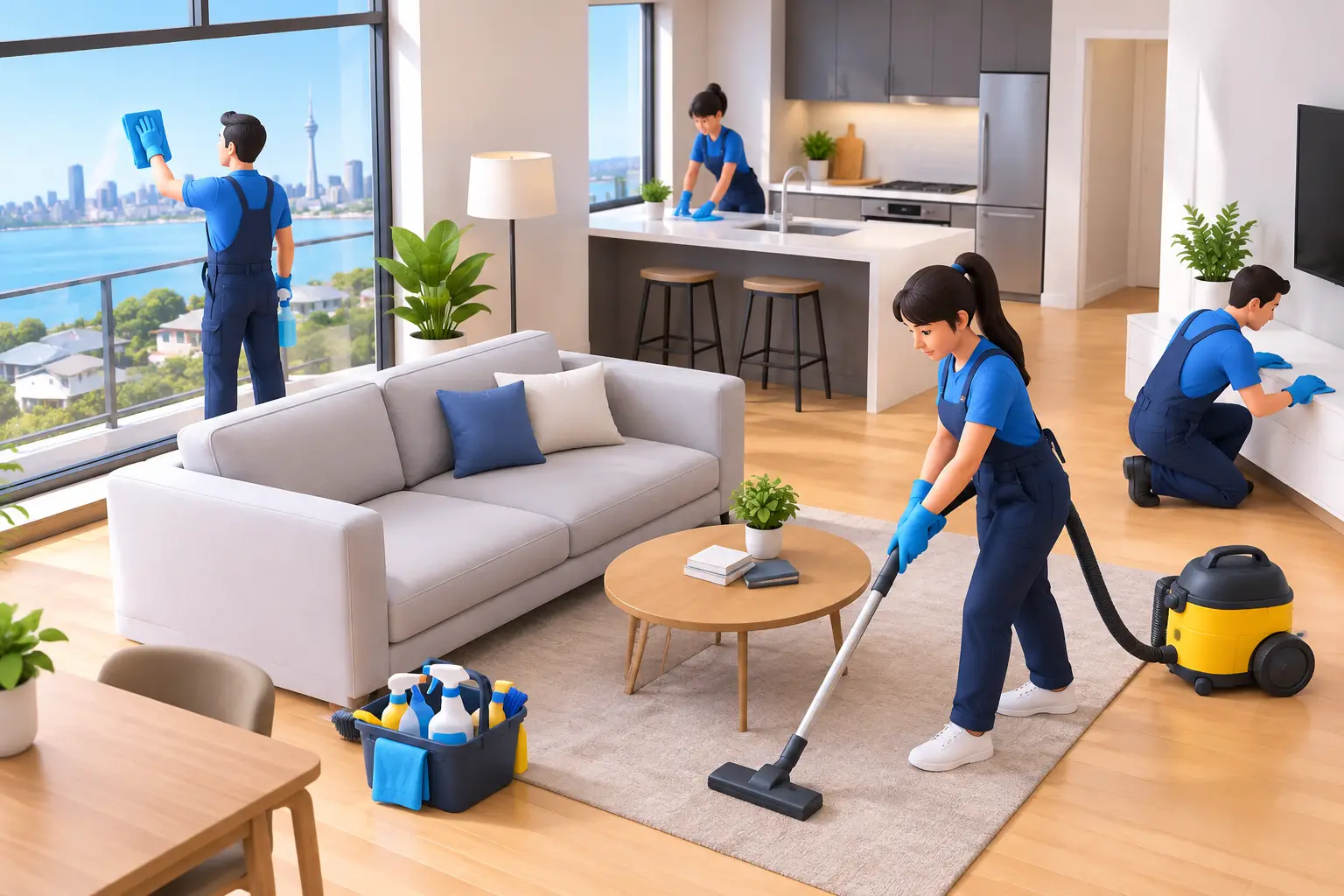
Guest room servicing generally includes making beds to the property standard, changing linen where required, cleaning and sanitising bathrooms, dusting reachable surfaces, vacuuming or mopping floors, restocking agreed amenities and removing rubbish. The small details count. Mirrors should be streak-free, remote controls placed neatly, towels folded consistently and forgotten marks on handles or switches dealt with before a guest arrives.
Turnover cleaning needs a deeper reset. It allows time to check under beds and furniture, address marks on walls where appropriate, clean inside appliances in apartments, remove hair from drains and ensure all previous guest items have been cleared. A rushed turnover can leave behind the clues that undermine trust: a stray hair, a sticky bench, an odour or an overflowing bin.
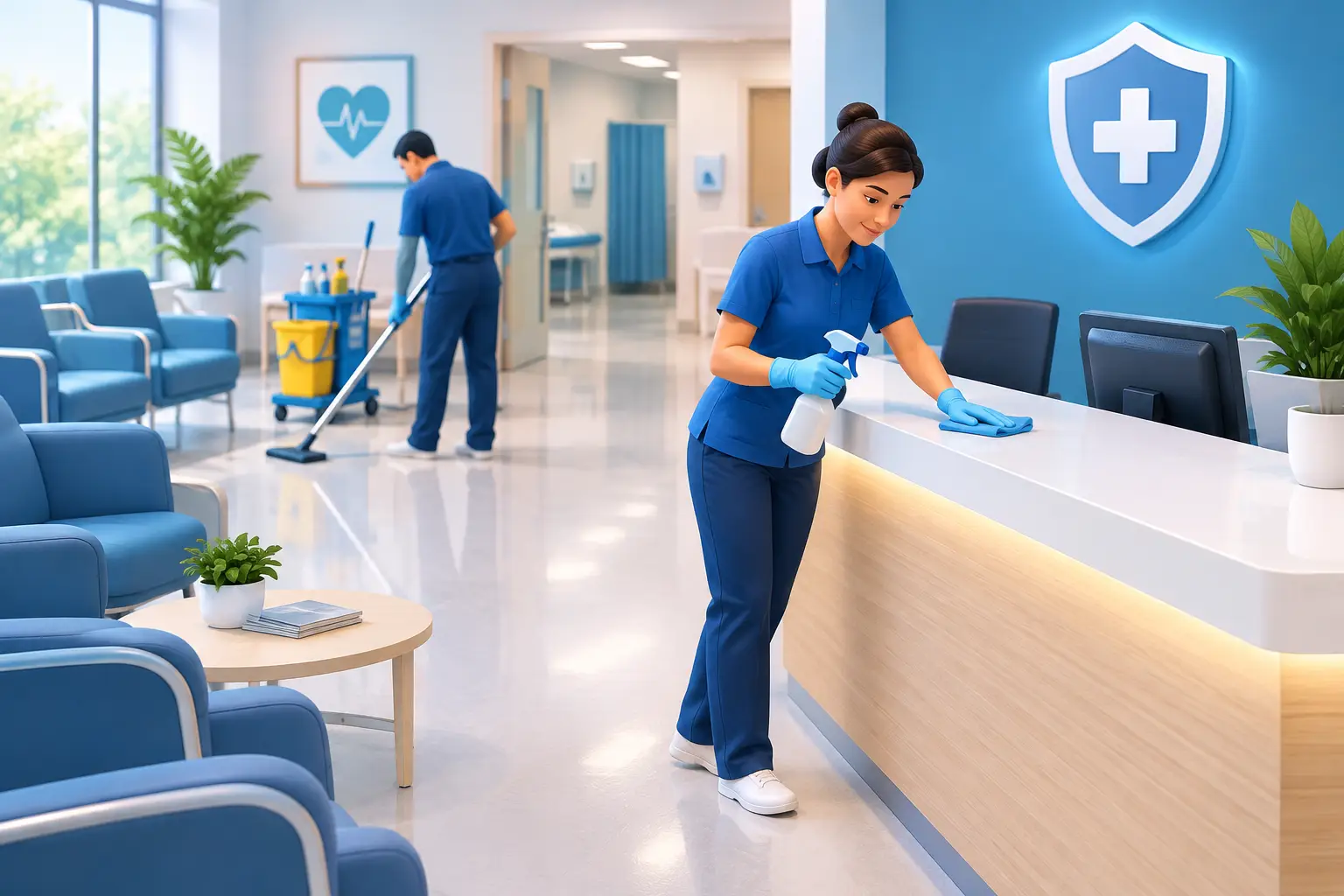
Public spaces deserve the same attention. Lobbies, lifts, corridors, shared kitchens, breakfast areas, reception counters and guest toilets experience constant use. Keeping these areas clean throughout the day helps the whole property feel organised, even when occupancy is high. Back-of-house rooms, staff facilities and storage areas also need a practical cleaning routine to support hygiene and a safe workplace.
The daily pressure behind a guest-ready room
Housekeeping teams work against a moving timetable. A guest checking out late can affect room release, while an early arrival can create pressure at reception. The answer is not to cut corners. It is to plan clearly, communicate quickly and have a team that understands which rooms need priority.
A dependable provider should be able to work around your operations, whether that means early morning preparation, daytime servicing, evening touch-ups or support during peak periods. It also means respecting guest privacy, following site access procedures and working quietly around occupied rooms. Housekeeping should reduce disruption, not create it.
Consistency matters more than a strong clean on one good day. Guests compare each stay against the standard they expect from your property. For managers, that requires clear room standards, trained cleaners, reliable attendance and quality checks that catch issues before they reach the guest. Supervisor follow-up is particularly valuable on larger properties or during busy turnover days, when small misses are easier to overlook.
Hygiene without harsh compromises
Guests expect visible cleanliness, but hygiene needs attention beyond what is immediately seen. Bathrooms, high-touch points, kitchen surfaces, door handles, light switches and shared amenities require appropriate cleaning and sanitising methods. The products and process should suit the surface, the level of use and the property’s own safety requirements.
Eco-conscious products can be a sensible choice for accommodation businesses that want to reduce harsh chemical use without lowering their presentation standards. However, product choice should always be practical. High-traffic bathrooms, kitchenettes and problem areas may need targeted treatment, while delicate finishes, timber surfaces and specialty materials need products that will not cause damage over time.
Laundry handling is another area where clear procedures matter. Clean and used linen should be kept separate, storage areas should remain orderly, and staff need to know how to handle stained or damaged items. If linen is managed in-house, cleaning routines should support the flow between room attendants, laundry staff and reception rather than creating avoidable hold-ups.
A customised plan works better than a generic checklist
The most effective hotel housekeeping cleaning services are built around the way a property actually operates. Before regular cleaning begins, it helps to identify room types, service frequency, check-in and check-out windows, high-use areas, access arrangements and any seasonal pressure points. A waterfront property may need more attention to entryways during wet weather. A motel near a motorway may need frequent window and exterior cleaning. Serviced apartments may require more detailed kitchen and appliance care.
A practical plan can include daily room servicing, departure cleans, weekly deep-cleaning rotations and periodic specialist work. Carpets benefit from scheduled cleaning before they look tired, while windows, gutters, exterior paths and building entrances all contribute to the guest’s first view of the property. Tackling these tasks on a planned basis is generally less disruptive and more cost-effective than waiting until a problem becomes obvious.
Flexibility is essential, but it should not mean confusion. Managers should know who is attending, what is included and how concerns are reported. Clear communication prevents common issues such as missed rooms, duplicate work or uncertainty over consumables. It also makes it easier to scale support for school holidays, events, group bookings or unexpected staff shortages.
Choosing a housekeeping provider your team can rely on
Price matters, but it should not be the only decision point. A low hourly rate can become costly if rooms need to be re-cleaned, staff arrive late or managers spend valuable time following up incomplete work. Look for a provider with certified, experienced and fully insured cleaners, dependable supervision and an approach that can be tailored to your property.
Ask how quality is checked, how absences are covered and what happens if a room is not completed to standard. It is also worth confirming whether the provider can support related property tasks. One team that can coordinate regular housekeeping alongside carpet care, window cleaning, rubbish removal, exterior cleaning and minor maintenance can simplify your workload considerably.
Clean Bees provides customised hospitality cleaning support with experienced, insured professionals and supervisor-led quality checks. For accommodation operators, this creates a clearer line of accountability and the reassurance of a 100% Satisfaction Guarantee. The focus is straightforward: clean, comfortable spaces for guests and less operational pressure for your team.
When deeper cleaning should be scheduled
Daily service maintains presentation, but it cannot replace planned deep cleaning. Grout, shower screens, skirting boards, vents, upholstery, carpet edges and high shelves collect residue gradually. Guests may not identify the source, yet they can sense when a room feels tired or neglected.
The right frequency depends on occupancy, room type and the standard of accommodation. High-turnover rooms may need more frequent bathroom detailing and carpet treatment. Longer-stay apartments may need scheduled kitchen deep cleans, including ovens, rangehoods and refrigerators between guests. Seasonal deep cleans are also useful before major travel periods, when rooms need to perform at their best.
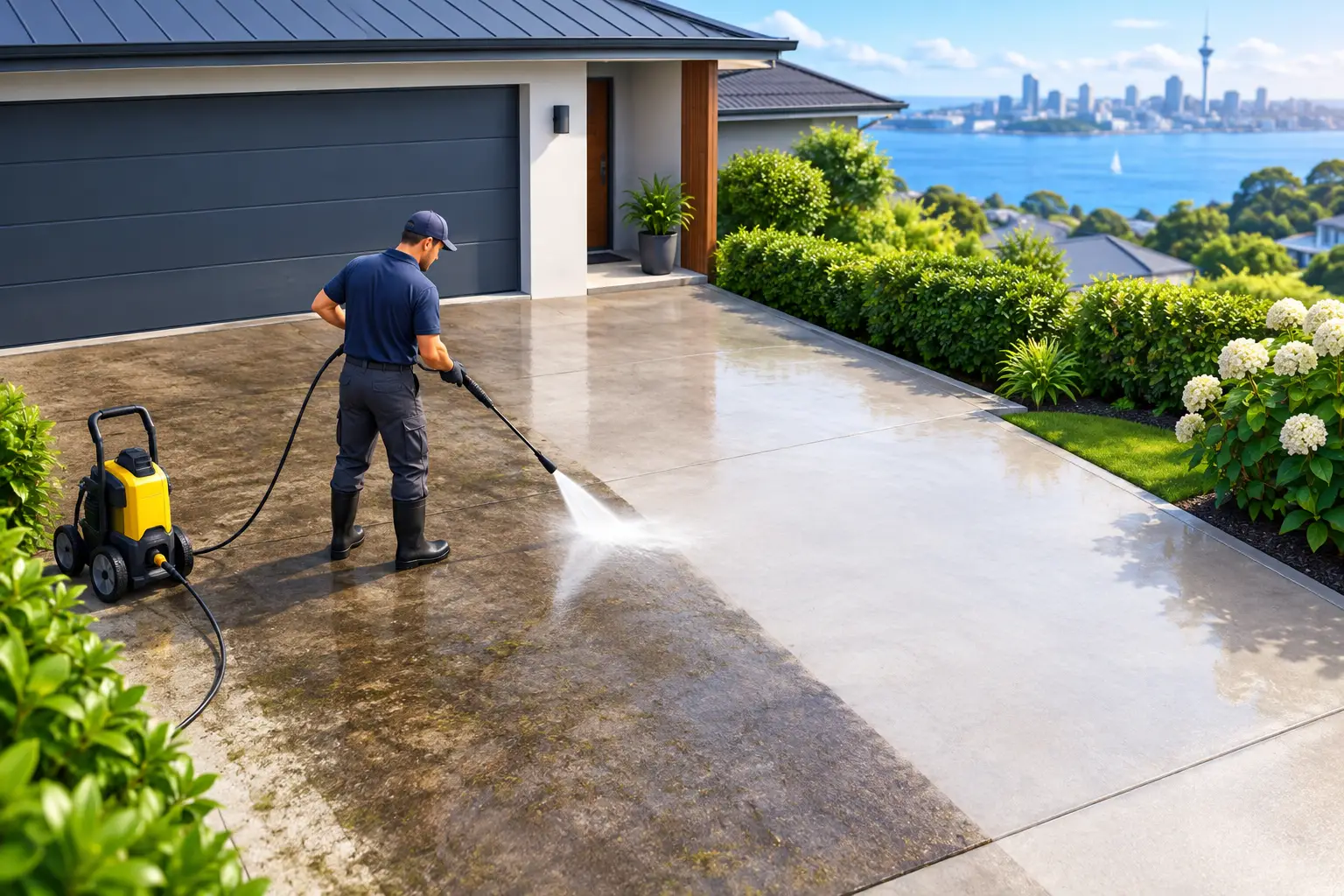
Exterior care should not be overlooked. A clean entrance, tidy garden edge, clear gutters and well-maintained paths signal care before guests reach reception. In New Zealand’s changeable weather, exterior cleaning and maintenance can also help protect surfaces and reduce slip hazards around entrances and walkways.
Clean rooms support better stays
Housekeeping is one of the few hotel functions that touches every guest experience, every day. When the service is well organised, guests feel welcomed, reception can release rooms with confidence and managers have fewer last-minute problems to solve.
The goal is not simply a room that looks clean from the doorway. It is a property where every detail supports comfort, hygiene and confidence from check-in to check-out. A dependable housekeeping plan gives your team the breathing room to focus on hospitality while guests enjoy the standard they came for.