


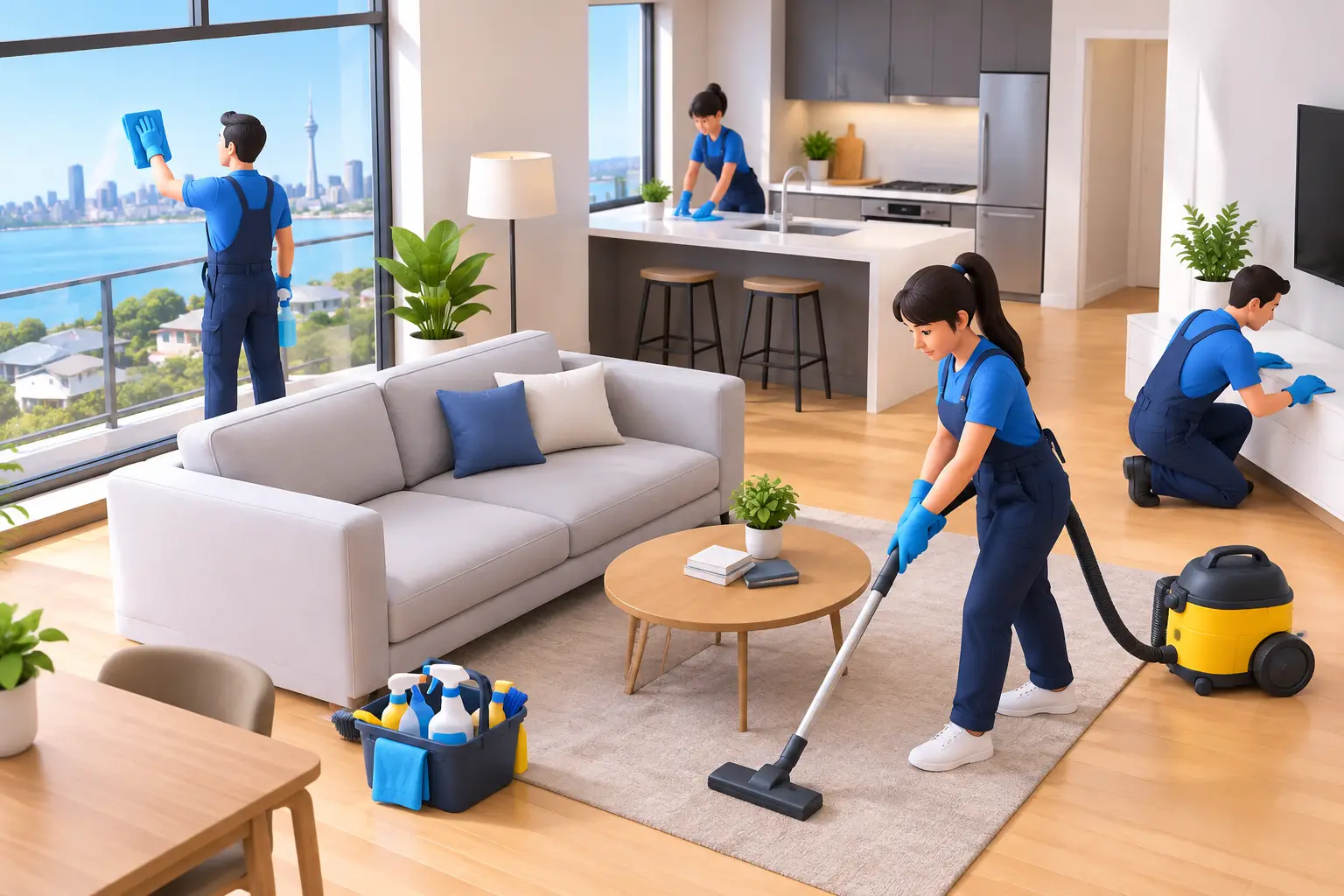
The last few days of a move are rarely calm. Boxes are piled by the door, utilities need transferring, and the final inspection is still ahead. End of tenancy cleaning Auckland renters arrange should make that final stage simpler: a home that is clean, presentable and ready to be assessed against its condition at the start of the tenancy.
A good move-out clean is not about making an older property look brand new. Wear and tear is different from dirt, marks and neglect. The practical goal is to return the property reasonably clean and tidy, remove the build-up that can distract from its condition, and leave clear evidence that you have done your part.
What End of Tenancy Cleaning in Auckland Covers
A tenancy clean is more detailed than a standard weekly clean because it focuses on the areas that are easy to overlook while living in a home. Kitchens, bathrooms, floors, windows, skirting boards and storage spaces all need attention. The scope should suit the property, its condition and the expectations set in the tenancy agreement and entry inspection report.
Start by comparing the home with the photos and notes taken when you moved in. If the oven had existing marks, the carpet was already worn, or a blind was damaged before your tenancy began, record that clearly. Cleaning can remove grime, but it cannot erase normal ageing or repair pre-existing issues.
The inspection standard is practical, not perfect
Landlords and property managers commonly check whether cupboards are empty and wiped out, appliances are free from food residue, bathrooms are hygienic, and floors have been vacuumed or mopped. They may also look at window tracks, light switches, extractor fans, wardrobes and outdoor areas included in the tenancy.
The standard can vary. A compact furnished apartment with one bathroom needs a different approach from a four-bedroom family home with carpet, a garage and a garden. If you are uncertain, ask the property manager what will be inspected and whether there are specific requirements for rubbish removal, lawns, carpets or pest treatment.
The Areas Most Likely to Hold Up a Final Inspection
Most cleaning issues are not dramatic. They are the small, accumulated jobs that take time when you are trying to move out. Grease on the rangehood, dust behind doors and soap residue on shower glass can make an otherwise tidy home appear unfinished.
Give extra time to these common problem areas:
- Kitchen appliances, including the oven, cooktop, rangehood filters, fridge spaces and dishwasher edges.
- Bathrooms, especially shower screens, grout lines, taps, toilet bases, mirrors and exhaust fans.
- Floors and carpet edges, including under furniture, inside wardrobes and along skirting boards.
- Internal glass, window sills, tracks, blinds and sliding-door channels.
- Rubbish areas, garages, balconies, letterboxes and any outdoor space listed in your agreement.
Carpets deserve particular attention. Vacuuming may be enough for a lightly used carpet, but spills, pet hair, odours and visible marks may need professional carpet cleaning. Before booking, check the tenancy agreement and discuss any property-specific expectation with the manager. A professional clean is useful where it addresses the actual condition of the carpet, rather than being treated as a one-size-fits-all requirement.
Plan Your Move-Out Clean Around an Empty Home
Cleaning is faster and more thorough once the furniture is gone. Arrange movers first where possible, then clean room by room from the highest surfaces down to the floors. This avoids re-dusting areas after wiping shelves or packing the last boxes.
Begin with dry work such as removing cobwebs, dusting vents and wiping cupboards. Move on to kitchens and bathrooms, allowing any suitable cleaning product time to work before you scrub and rinse. Finish with vacuuming, mopping and a final walk-through under good lighting. Open drawers, check behind doors and run a hand along shelves. Those small checks often prevent a second visit.
Do not leave rubbish bags at the kerb, in the garage or by shared bins unless collection arrangements permit it. Empty the fridge and freezer, remove personal items from storage sheds, and make sure keys, remotes and access cards are returned exactly as instructed.
DIY or Professional Cleaning: Choose Based on Time and Condition
A DIY clean can work well if the property has been maintained regularly, you have enough time after moving, and you are comfortable handling the detailed jobs. It is often a sensible option for a small, well-kept flat with few appliances and no significant carpet or exterior work.
Professional cleaning is often the better choice when time is tight, the home has heavy kitchen or bathroom build-up, there are several rooms to clean, or you need carpet, window, rubbish or exterior support at the same time. It can also reduce the pressure on families moving between homes, busy professionals handing back keys during the working week, and landlords preparing a property for new tenants.
The trade-off is cost versus time, equipment and peace of mind. The lowest quote is not always the best value if it excludes key areas or leaves you organising another provider for carpets, windows or rubbish. Ask for a clear scope before work begins so you know what is included and what requires an additional service.
What to Ask Before Booking End of Tenancy Cleaning Auckland Services
A reliable provider should make the process straightforward. Explain the number of bedrooms and bathrooms, whether the property is furnished, the condition of the oven and bathrooms, and whether there are carpets, internal windows, a garage, balcony or outdoor areas to address.
Ask whether the team is insured, whether cleaners are experienced with rental inspections, and how quality is checked before the job is completed. It is also worth confirming arrival times, access arrangements and whether the service can be tailored to your property. If you need a carpet clean, rubbish removal, window clean or garden tidy-up, coordinating those jobs through one provider can save valuable time during a move.
Clean Bees provides customised end-of-tenancy support with certified, experienced and fully insured professionals, supervisor-led quality checks and a 100% Satisfaction Guarantee. For Auckland tenants, landlords and property managers, that means a practical service plan built around the property rather than a generic checklist.
Keep Evidence of the Property’s Condition
Once the cleaning is complete, take dated photos and short videos of every room. Capture the inside of the oven, fridge cavity, shower, toilets, cupboards, floors, windows and any exterior areas you were responsible for. Keep receipts and written confirmation of services such as carpet cleaning or rubbish removal.
This documentation is useful if questions arise during the final inspection. It also helps everyone discuss a specific issue calmly, rather than relying on memory after keys have changed hands. If there is a disagreement about cleaning, communicate in writing and refer back to the entry condition report, the final photos and the tenancy agreement. For unresolved tenancy matters, seek appropriate independent guidance.
A Cleaner Handover Starts Before the Last Day
The easiest move-out clean begins a few weeks before moving day. Use up food in the pantry, clear unwanted items gradually, treat marks while you still have time, and book any specialist work early. Auckland move dates can be busy, especially around weekends and month-end, so leaving everything until the final afternoon creates unnecessary risk.
Give yourself enough room for one last inspection before handing back the keys. A careful clean, honest condition records and a clear plan can turn a stressful handover into a confident fresh start.