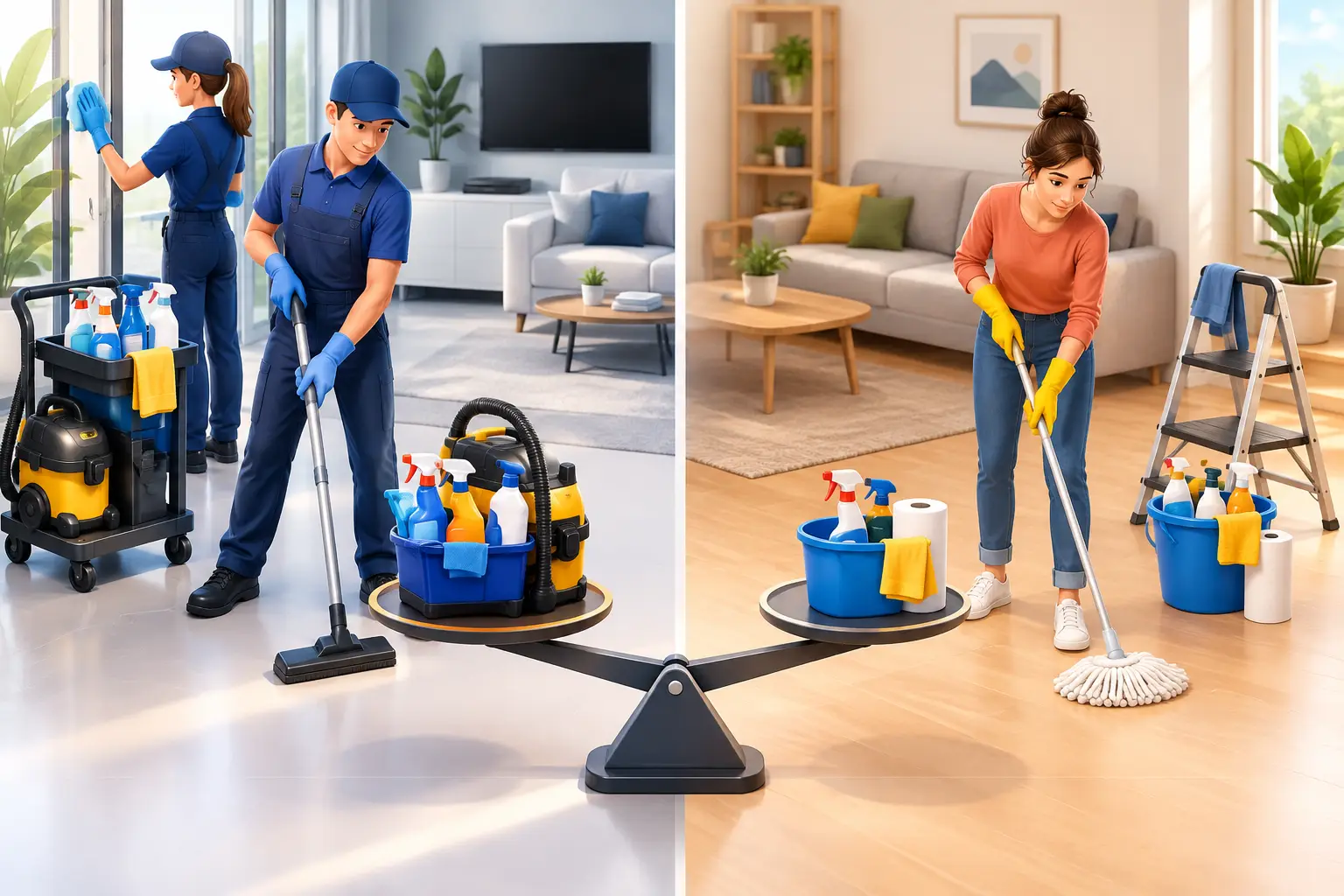



A home can look tidy and still fall short at a final rental inspection. That is the key difference in bond cleaning versus regular cleaning: one keeps a property pleasant to live in, while the other is a detailed reset designed to meet the expectations of a landlord, property manager or incoming tenant.
For tenants across Auckland, Hamilton and Wellington, choosing the wrong service can mean spending more time cleaning at the end of a move, or facing questions about the property’s condition. For homeowners and landlords, knowing the distinction also makes it easier to book the right level of support at the right time.
What is regular cleaning?
Regular cleaning is ongoing maintenance for a home that is being lived in. Its purpose is to keep rooms hygienic, comfortable and presentable without turning every visit into a full top-to-bottom restoration.
A typical regular clean focuses on the areas that collect daily mess and need attention most often. This usually includes vacuuming and mopping accessible floors, dusting visible surfaces, wiping benches, cleaning bathrooms and toilets, emptying rubbish, and tidying kitchen surfaces. The exact scope can be adjusted around your household, whether you need weekly help with family life, fortnightly support for a busy schedule, or a customised housekeeping plan.
It is a practical service. A regular cleaner will generally work around furniture, appliances and personal belongings rather than moving everything to clean behind it. Light marks may be wiped away, but years of built-up grease inside an oven or soap residue on shower glass are not normally included unless they have been specifically requested.
When regular cleaning is the right choice
Regular cleaning suits occupied homes where the goal is consistency. It helps working households stay on top of chores, supports older or dependent people who need a safer and more comfortable living environment, and keeps rental properties cared for during a tenancy.
It is also useful before guests arrive, after a busy period, or as part of a routine that prevents dirt from becoming a bigger job later. The cleaner is maintaining a standard, not assessing every edge, fitting and hidden surface against a move-out condition report.
What is bond cleaning?
Bond cleaning, often called end-of-tenancy cleaning or a move-out clean, is a far more detailed service. It is carried out when a tenant is leaving a rental property and needs to return it in a clean condition, allowing for fair wear and tear.
The aim is not simply to make the home look good on the day. It is to clean the property thoroughly enough for a final inspection, with attention to the items property managers commonly check. That can include inside cupboards and drawers, skirting boards, light fittings, switches, window tracks, rangehood filters, oven interiors, shower screens, taps, walls with removable marks, and floors beneath areas that may not receive attention during a standard clean.
A bond clean is usually completed in an empty or mostly empty property. This matters because cleaners need clear access to clean behind furniture, inside storage areas and around appliances. If a house is still full of boxes and belongings, the work may take longer and some surfaces cannot be properly reached.
Bond cleaning is not a guarantee of every repair
A professional clean can remove grime, grease, dust and many surface marks. It cannot repair damage, reverse mould caused by a building issue, remove permanent stains from worn carpet, or fix chipped paint and broken fixtures.
This is where fair wear and tear matters. Faded paint, worn carpet in a high-traffic hallway, or ageing sealant may be part of normal use. On the other hand, excessive grease, neglected bathrooms, rubbish left behind or stains caused during the tenancy can affect the final result. If you are unsure, compare the property with your original entry inspection report and photographs before booking.
Bond cleaning versus regular cleaning: the practical differences
The biggest difference is the level of detail. Regular cleaning deals with the visible, everyday areas that keep a home functioning well. Bond cleaning reaches into the places that are easy to overlook during normal life, particularly kitchens, bathrooms, windows, storage spaces and built-up grime.
Time is another factor. A regular clean is generally scheduled as a recurring visit with a familiar task list. A bond clean is a one-off, more labour-intensive booking. The time required depends on the property size, number of bathrooms, condition of the home, whether pets have lived there, and whether additional services are needed.
The expected outcome is different too. With regular cleaning, the outcome is a fresher, healthier home that is easier to maintain. With bond cleaning, the outcome is an inspection-ready property. It is not about making an old rental look brand new. It is about presenting it cleanly and thoroughly, with the agreed cleaning responsibilities completed.
What a thorough bond clean may include
Each property needs its own plan, but a detailed end-of-tenancy clean often covers the kitchen, bathrooms, bedrooms, living areas, laundry and internal accessible surfaces. Ovens, cooktops and rangehoods require particular attention because grease builds up gradually and is often noticed at inspection time.
Bathrooms also need more than a quick wipe. A bond clean can involve removing soap residue, cleaning shower screens and tracks, sanitising toilets, wiping cabinetry inside and out, and treating accessible mould where appropriate. Floors are vacuumed and mopped, while skirtings, doors, switches and reachable wall marks may be addressed as part of the agreed scope.
Some jobs need specialist add-ons rather than being treated as part of a standard bond clean. Carpet cleaning may be requested under the tenancy agreement or be needed to address marks and odours. Exterior windows, lawns, gutters, pest treatment, rubbish removal and heavy wall washing may also require separate arrangements. Clarifying these needs before the work begins avoids surprises on moving day.
How to choose the right service before a move or inspection
Start with the reason you are booking. If you are staying in the property and need help keeping on top of weekly chores, regular cleaning is the sensible option. If your tenancy is ending, you are handing keys back, or a landlord has asked for a detailed clean, book an end-of-tenancy service.
Next, consider the actual condition of the property. A well-maintained one-bedroom flat may need less work than a large family home with a heavily used kitchen, pets and carpeted rooms. Be honest about problem areas, including oven grease, mould, pet hair, stains or rubbish. A clear description helps the cleaning team allow enough time and bring suitable equipment.
Finally, check your tenancy agreement and communicate early with your property manager. Some agreements set out requirements for carpets, pest treatment or exterior maintenance. Where expectations are unclear, asking before the final inspection is easier than arranging extra work after you have moved out.
Why professional support can reduce moving-day pressure
Moving involves more than cleaning. There are removalists, key handovers, address changes, utilities, packing and the next property to prepare. Trying to complete a detailed clean late at night after loading the last box often leads to missed areas.
A professional team brings a structured checklist, suitable products and the time to focus on the detail. Clean Bees provides customised end-of-tenancy and regular cleaning plans with certified, experienced and fully insured professionals, supervisor-led quality checks and a 100% Satisfaction Guarantee. For customers with tight moving schedules, 24/7 availability can also make planning easier.
The best clean is the one that matches what your property needs now. Keep regular cleaning in place to make everyday life lighter, and treat a bond clean as a focused final step when it is time to leave a rental well cared for.