

A home can look tidy at a glance while the jobs that make it comfortable keep piling up: bathroom build-up, dusty skirting boards, laundry, changing linen and the kitchen bench that never quite stays clear. This housekeeping services guide explains what professional housekeeping can cover, how to choose the right schedule, and how to get dependable help for your household in Auckland, Hamilton or Wellington.
What housekeeping services are designed to do
Housekeeping is ongoing support that keeps a home clean, orderly and pleasant to live in. It is different from a one-off deep clean, which focuses on intensive work such as inside cupboards, detailed grout cleaning or moving furniture where practical. Housekeeping is about maintaining standards week after week, so cleaning does not become another full weekend job.
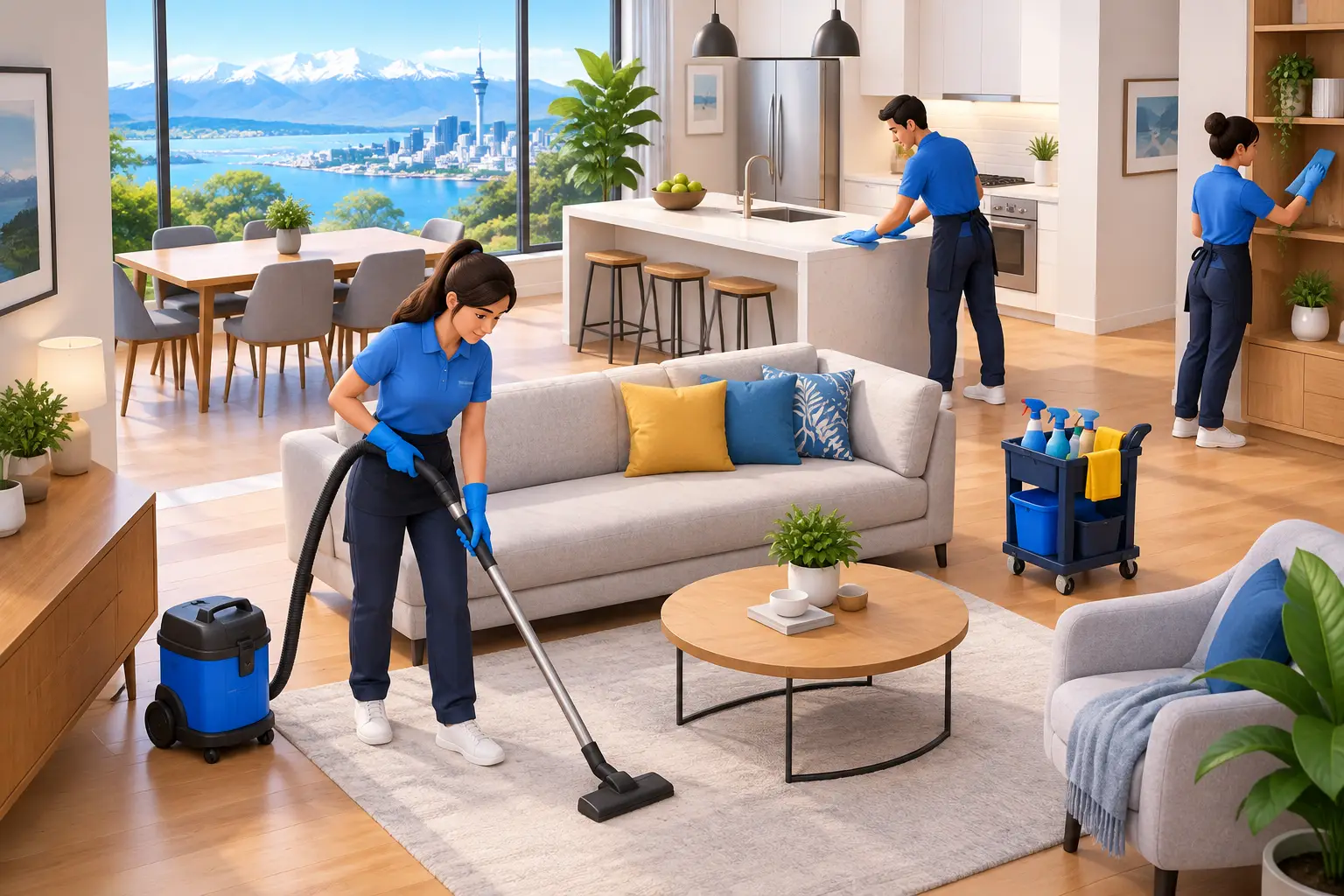
A regular visit commonly includes vacuuming and mopping floors, dusting accessible surfaces, cleaning bathrooms and kitchens, emptying rubbish, wiping frequently touched areas, making beds and tidying agreed living spaces. The exact plan should reflect how your household lives. A family with young children may need more attention in bathrooms, floors and shared spaces, while a busy professional household may value kitchen resets, linen changes and a consistent general tidy.
For older people, invalids and dependent individuals, housekeeping can provide more than a clean home. Reliable assistance can help maintain clear walkways, hygienic bathrooms and a calm, comfortable environment. The service should always be arranged with care, dignity and clear boundaries around the tasks required.
Choosing the right housekeeping service frequency
There is no single ideal timetable. The best frequency depends on the number of people in the home, pets, work schedules, health needs and how much cleaning you want to manage yourself.
Weekly housekeeping suits active family homes, shared houses, homes with pets, and anyone who wants bathrooms and kitchens kept consistently fresh. Fortnightly visits work well for smaller households that stay reasonably tidy between appointments. A monthly service can be useful as a reset, though it will not prevent daily mess from building up in high-use areas.
It can also make sense to begin with a deep or spring clean before starting a regular schedule. This gives the cleaner a proper baseline, particularly after winter, a renovation, a busy school term or a period when cleaning has slipped down the priority list. Once the home is brought back to a good standard, routine housekeeping is faster and more effective.
What to discuss before your first visit
A clear brief avoids disappointment and helps the cleaning team work efficiently from the first appointment. Start by identifying the rooms that matter most. For some households, that is the kitchen and bathrooms. For others, it may be keeping bedrooms, floors and living areas ready for visitors or family members.
Be upfront about pets, access arrangements, parking, alarm systems and any products or surfaces that need special care. Natural stone, untreated timber, delicate fixtures and certain appliances may require suitable methods and products. If eco-conscious cleaning products are a priority, ask for that preference to be included in your plan.
It is also worth agreeing on what housekeeping does not include. Tasks such as exterior window cleaning, carpet steam cleaning, gutter work, oven detailing, pest control or garden maintenance are generally separate services. A good provider can coordinate these jobs when needed, but separating regular housekeeping from specialist work keeps the visit realistic and the price clear.
Make a practical priority list
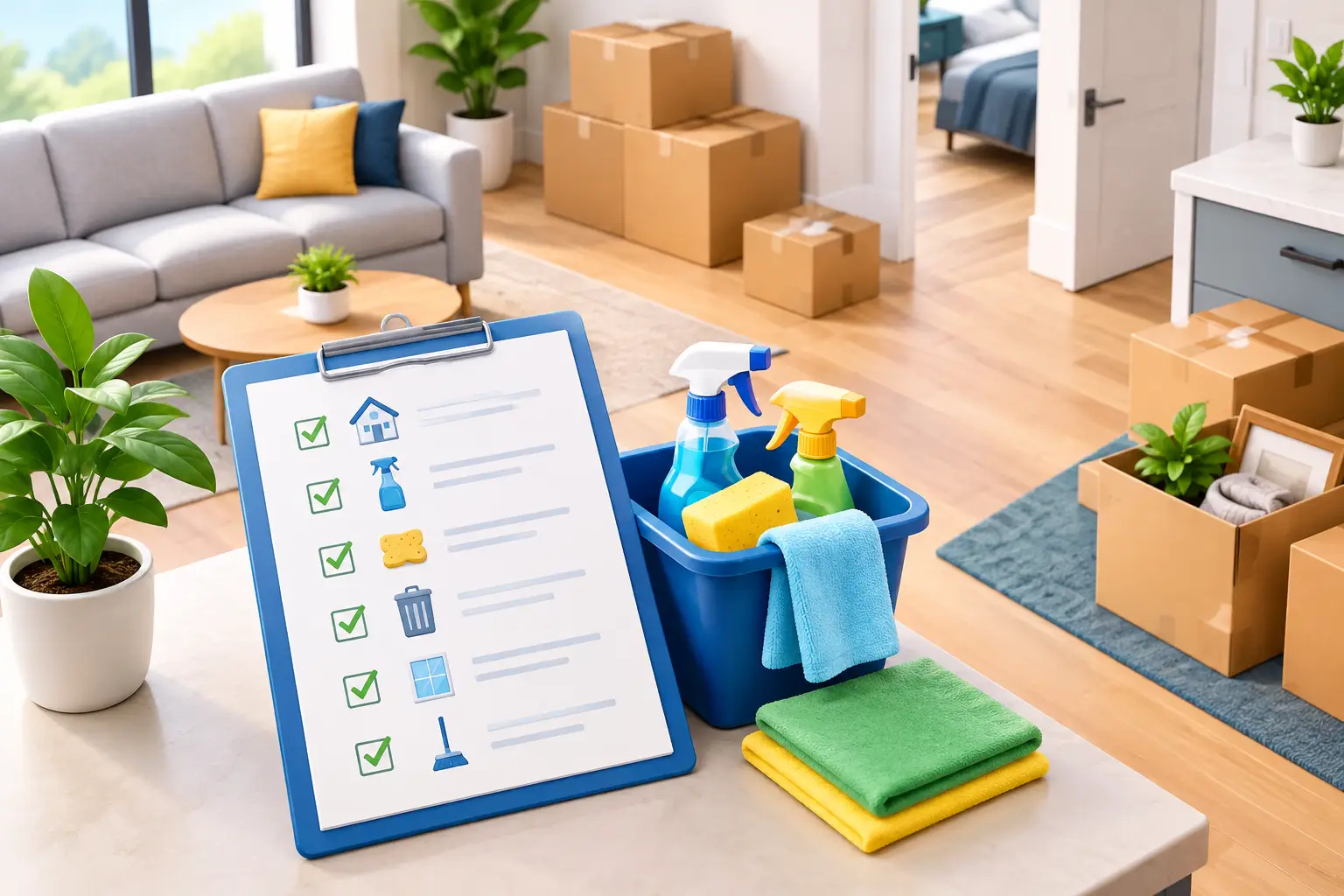
You do not need a long checklist for every visit. A short list of non-negotiables is usually more useful: bathrooms cleaned thoroughly, kitchen surfaces sanitised, floors vacuumed and mopped, and beds changed if linen is left out. Then identify flexible tasks that can rotate, such as skirting boards, internal glass, reachable light fittings or a more detailed tidy of one room.
This approach matters when time is limited. It is better to have the essential areas finished properly than to spread the visit too thinly across the whole property.
A housekeeping services guide to quality and trust
Letting someone into your home requires confidence. Price is relevant, but it should not be the only deciding factor. Very low quotes can leave little allowance for adequate time, trained staff, appropriate products or proper insurance.
Look for a provider that can explain who will attend, what their experience is, how quality is checked and what happens if something has been missed. Certified, experienced and fully insured professionals offer practical reassurance, particularly for homes with children, elderly residents, valuables or specialist surfaces.
Consistency is equally important. A familiar team or clearly documented plan means the cleaner understands your preferences over time. Punctuality, communication when schedules change, and supervisor-led quality checks all contribute to a service that feels dependable rather than unpredictable.
Clean Bees provides customised housekeeping plans with certified, experienced and fully insured professionals, alongside full-time quality supervision and a 100% Satisfaction Guarantee. This is particularly useful for households that need ongoing cleaning as well as occasional support with carpets, windows, rubbish removal, gardens or exterior property care.
Housekeeping for rentals, landlords and property managers
Regular housekeeping can help rental homes remain presentable between inspections, especially where tenants need extra support or a property is used for short-stay accommodation. It should not be confused with an end-of-tenancy clean, which is more detailed and designed around the condition expected when a tenancy finishes.
For landlords and property managers, a single provider able to manage cleaning, exterior washing, lawns, rubbish removal and minor maintenance can reduce the time spent coordinating separate trades. The key is to document the requested scope and timing, particularly if work must happen between tenancies or before a viewing.
Tenants should check their tenancy agreement before arranging services that alter the property or require access when they are away. For routine internal housekeeping, clear communication with the cleaner about access and priority areas is normally all that is needed.
Getting better value from a regular service
Professional housekeeping is most valuable when it removes pressure from your routine, not when it adds more preparation. A quick pre-visit reset can help: put away personal items, clear benches where possible and leave fresh linen out if you want beds changed. This gives the team more time for actual cleaning.
At the same time, do not feel you need to make the home spotless before help arrives. The purpose of housekeeping is to support a lived-in home. Let the provider know if there has been an unusual spill, illness in the household, a pet accident or a room that needs extra attention. Advance notice allows the team to bring suitable equipment and schedule enough time.
Review the plan after the first few visits. You may find the fortnightly arrangement is perfect, or that a weekly bathroom and kitchen focus would make a larger difference. Seasonal changes matter too. Winter can bring more moisture and mud indoors, while summer often creates greater demand for windows, outdoor areas and garden upkeep.
When to book specialist cleaning instead
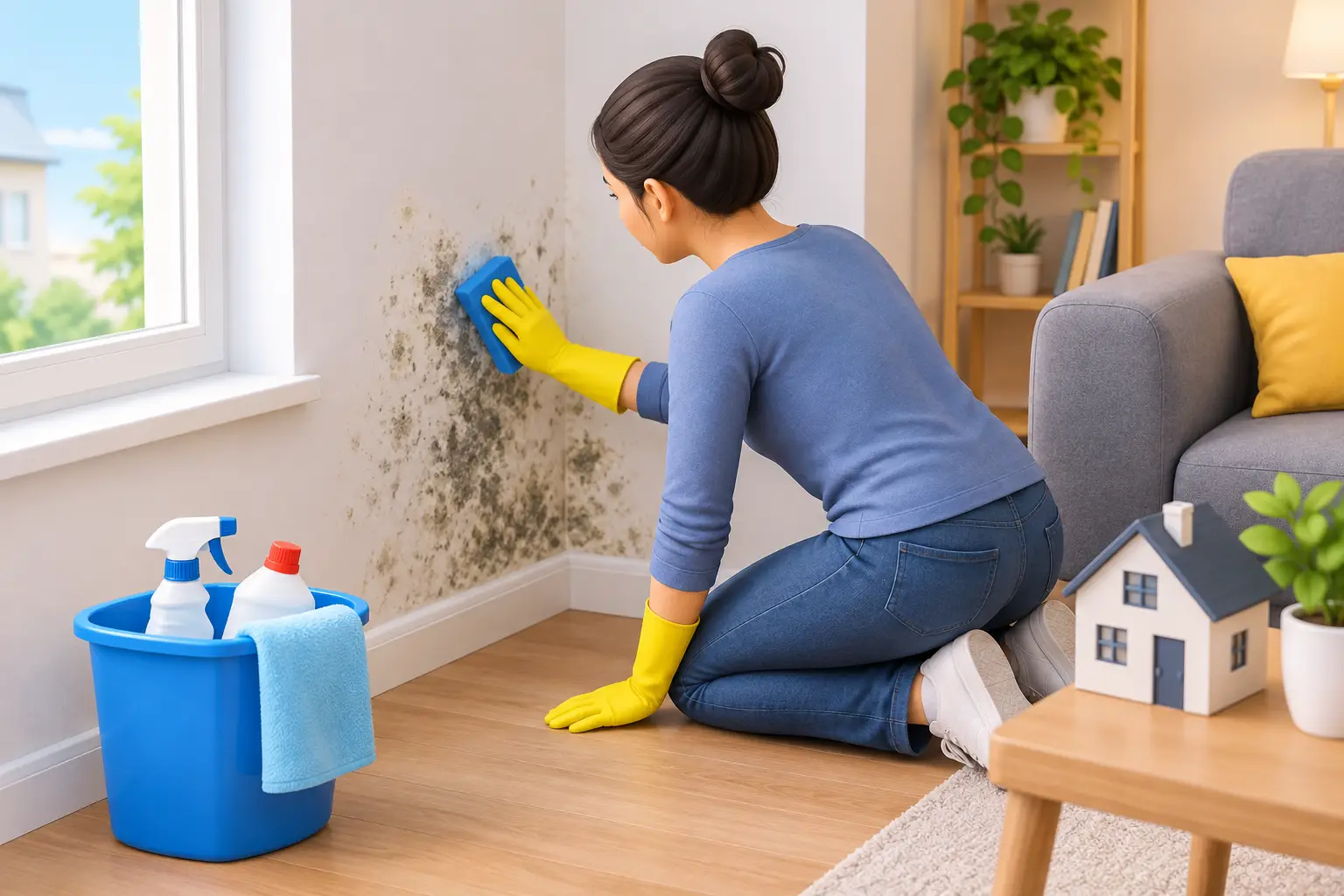
Housekeeping keeps a property on track, but it cannot solve every cleaning need in a standard visit. Book specialist support when the job calls for deeper equipment, extra time or a particular safety process. Examples include post-construction dust, end-of-tenancy cleaning, mould concerns, carpet cleaning, house washing, roof and gutter cleaning, and healthcare or hospitality premises with stricter hygiene requirements.
Commercial sites also need a different approach. Offices may require early-morning, evening or low-disruption cleaning around staff and customers. Medical settings, cafés, warehouses and industrial spaces need task plans that account for hygiene, foot traffic, equipment and workplace safety. A provider that can adapt the schedule and supervise quality is usually a better long-term fit than a one-size-fits-all service.
The right housekeeping arrangement should leave you with more than clean floors and polished taps. It should give your household breathing room, a home that feels easier to live in, and the confidence that help will arrive when promised.