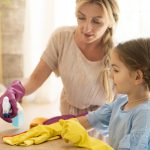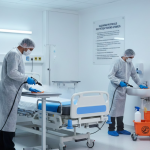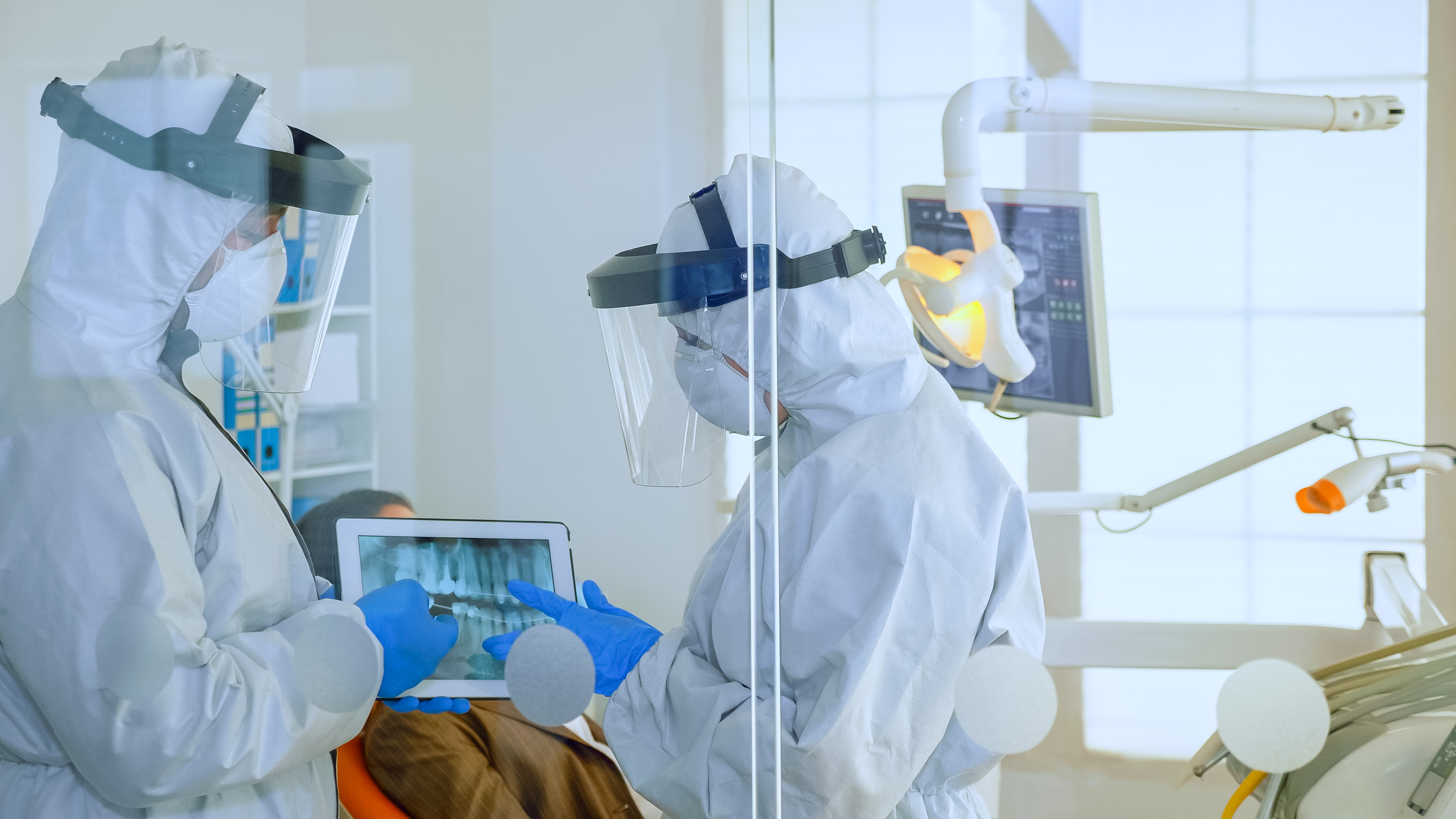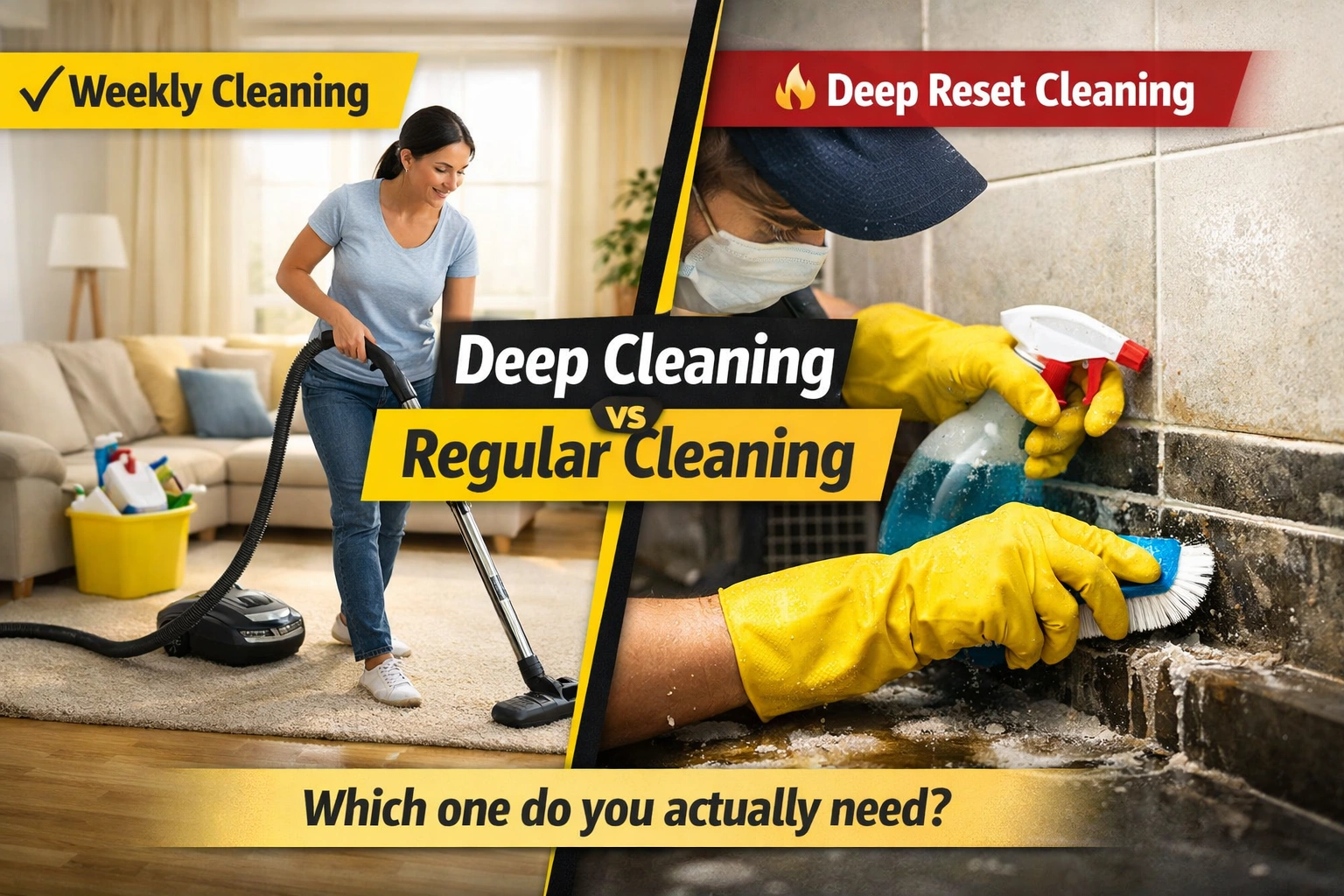


When people think of infection control, they imagine hospitals, masks, gloves, and COVID-19. But in real life, all of the homes, retail shops, schools, and clinics require starting with simple & infection control cleaning. Protecting staff, patients, customers, and visitors is essential to meet health & safety regulations and cleaning compliance. If you have confusion about choosing cleaning, sanitizing, and disinfecting within budget without compromising the hygiene standards. So you are in the right place. In this article, we will provide a clear explanation of why cleaning is the first step in infection control.
What Is Infection Control?
Infection control is all about stopping the spread of germs, bacteria, and infections before they make a heavy impact on people’s health. These germs accompany infected bacteria, viruses and the small microorganisms that live on highly touched surfaces. They can’t be seen, but live on the desk, sticky fingerprints on a door handle, or dust on a shelf may look harmless, and the heavy traffic area makes the perfect living environment to survive and spread. Normal cleaning just physically removes the bacteria, dirt, and grease, but without disinfectant and sanitizing, it can’t work effectively.
What Is The Difference Between Cleaning, Disinfecting, and Sanitizing?
These all terms sound the same, but they don’t mean the same thing & have various meanings.
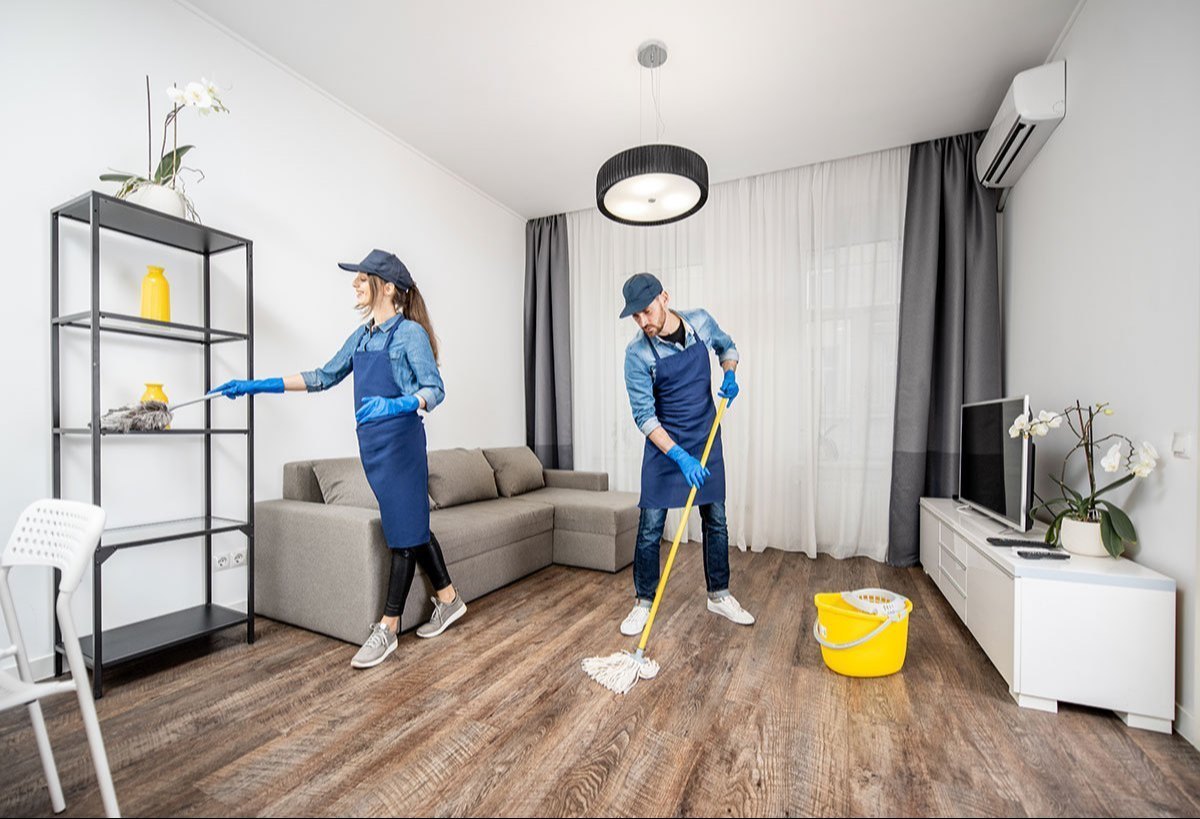
- The normal cleaning easily removes the visible dirt and fingerprints, and makes the surface clean.
- Using sanitizers effectively removes the chances of germs and brings your space to a safer level.
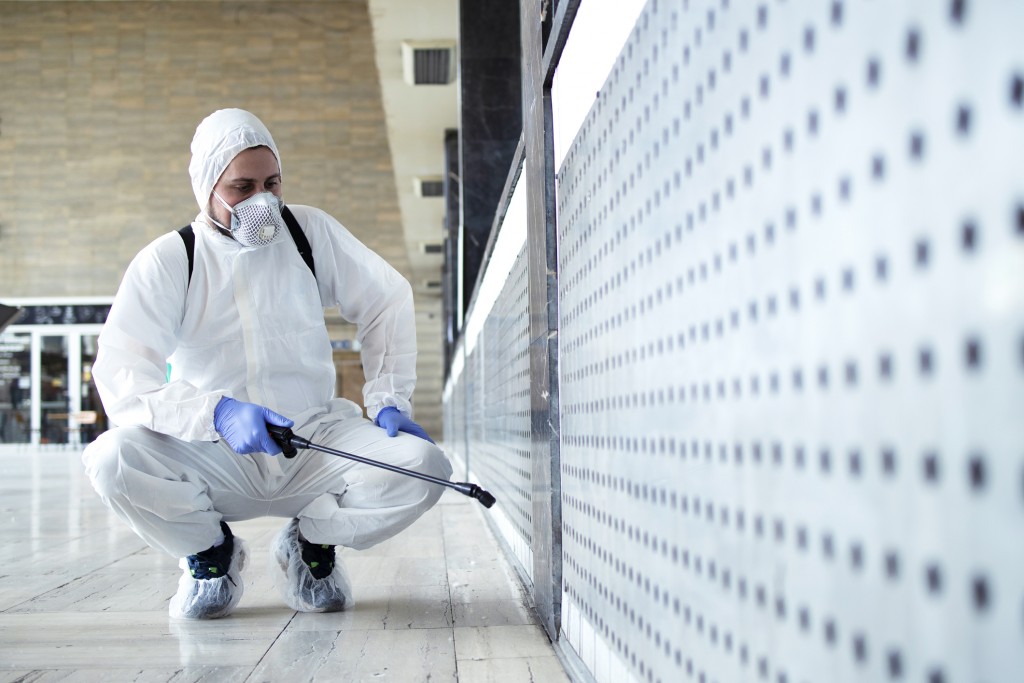
- Disinfecting effectively kills the bacteria and germs from the surface to make it safer for visitors, guests, and patients.
Avoiding cleaning and going directly to disinfecting so you’re just spreading dirt and debris around, or it doesn’t work well. That’s why cleaning is the first step for preventing infection.
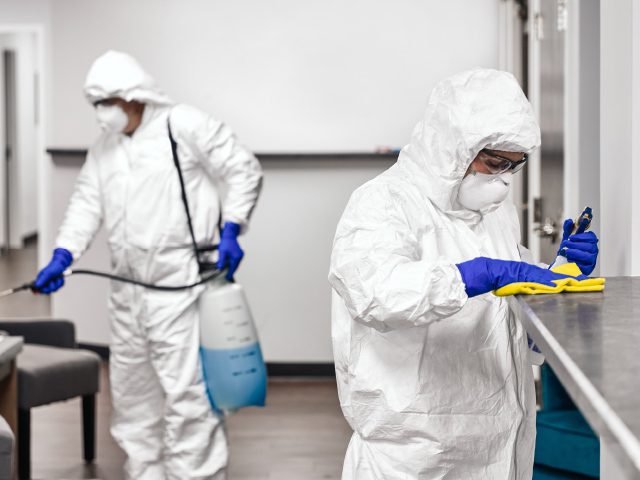
How Poor Cleaning Increases The Risk Of Infection?
Insufficient cleaning makes the perfect environment for spreading germs and bacteria. Every day cleaning is most important for reducing the risks of bacteria and viruses, because bacteria & infection easily jump from one to another through touch. In higher foot traffic areas, such as commercial spaces, schools, homes, and healthcare facilities have a higher chance of frequent illness and a dangerous environment for guests, visitors, and patients. Traffic areas easily collect germs, and without daily cleaning, they continue spreading infections.
- Germs and infections easily jump from one to another
- High-touch areas remain contaminated for hours
- Only one infected person makes a heavy health impact on multiple people
- Disease spreads fast in busy shared environments
- Routine cleaning improves the overall hygiene standards.
Which areas do you need to pay more attention to for reducing infection risks?
To reduce the risks of infection, germs, and bacteria, you need to pay special attention to the highly touched surfaces where people frequently touch throughout the day. These surfaces are the hub of bacteria, where they multiply and survive for even days. Choosing regular house cleaning and commercial space cleaning means preventing bacteria and germs from spreading from one person to another. Infection control effectively creates a healthier & safer environment for houses, offices, schools and commercial spaces.
- Railings, door handles, and knobs
- Lift switches, elevator and light buttons
- Desk tables and shared workstations
- Disinfecting washrooms, toilets and flushes
- Kitchen countertops and handles
- Daily usage appliances such as phones, mouse, and laptops
- Medical equipment
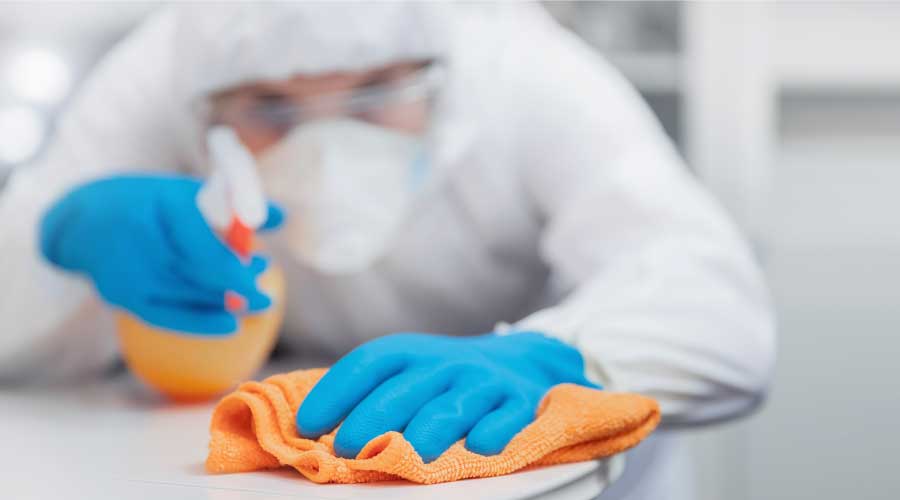
What Are The Best Practices For Infection Control And Proper Cleaning?
Proper cleaning of every space is essential for preventing the spread of infection. You need to follow the right cleaning methods that are suitable for reducing germs in homes, offices and public spaces in the healthcare or commercial sectors. You can choose professional hospital cleaning & infection control by Cleanbees to make your commercial space healthier.
- Choose the right cleaning products and follow the cleaning instructions
- Disinfecting the high-touch surfaces and paying extra attention to public sectors
- Use microfiber cloths and mops for removing germs and changing clothes frequently during cleaning.
- Trained your staff for cleaning and infection control & choose the professional cleaning services.
How Do Professional Clean bees Cleaners Help with Infection Control?
Clean bees professionals strictly follow the safety cleaning standards that go beyond basic surface wiping. They use biodegradable cleaning solutions to make your commercial & residential space well-maintained and safe for visitors, patients, and family members. Their trained staff effectively removes the harmful germs from highly touched surfaces and creates a safer environment for homes, offices, and healthcare facilities.
Major services offered by Clean bees:
- Commercial carpet cleaning
- Commercial cleaning
- Gutter cleaning
- Property management
- Pest control services
People Also Ask About Why Infection Control Starts With Proper Cleaning
Q.1 Does frequent cleaning reduce workers’ illness and sick leaves?
A: frequent cleaning helps to reduce a worker’s illness and leaves, because cleaning and disinfectant remove germs from highly touched surfaces in the workplace.
Q.2 How often do germs survive on touch area surfaces?
A: Bacteria and germs can easily survive on highly touched areas for several hours, depending on the types of daily activities and the germs.
Q.3 How often does a healthcare facility need to be cleaned?
A: The medical & healthcare facility needs to be cleaned daily or regularly because it has a lot of traffic and multiple times in a day.
Q.4 Why are eco-friendly cleaning solutions considered safe for cleaning?
A: These cleaning solutions are considered safe because they do not contain harsh chemicals and help in reducing health risks from the environment.