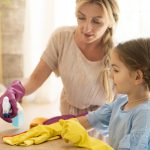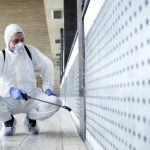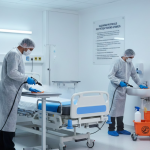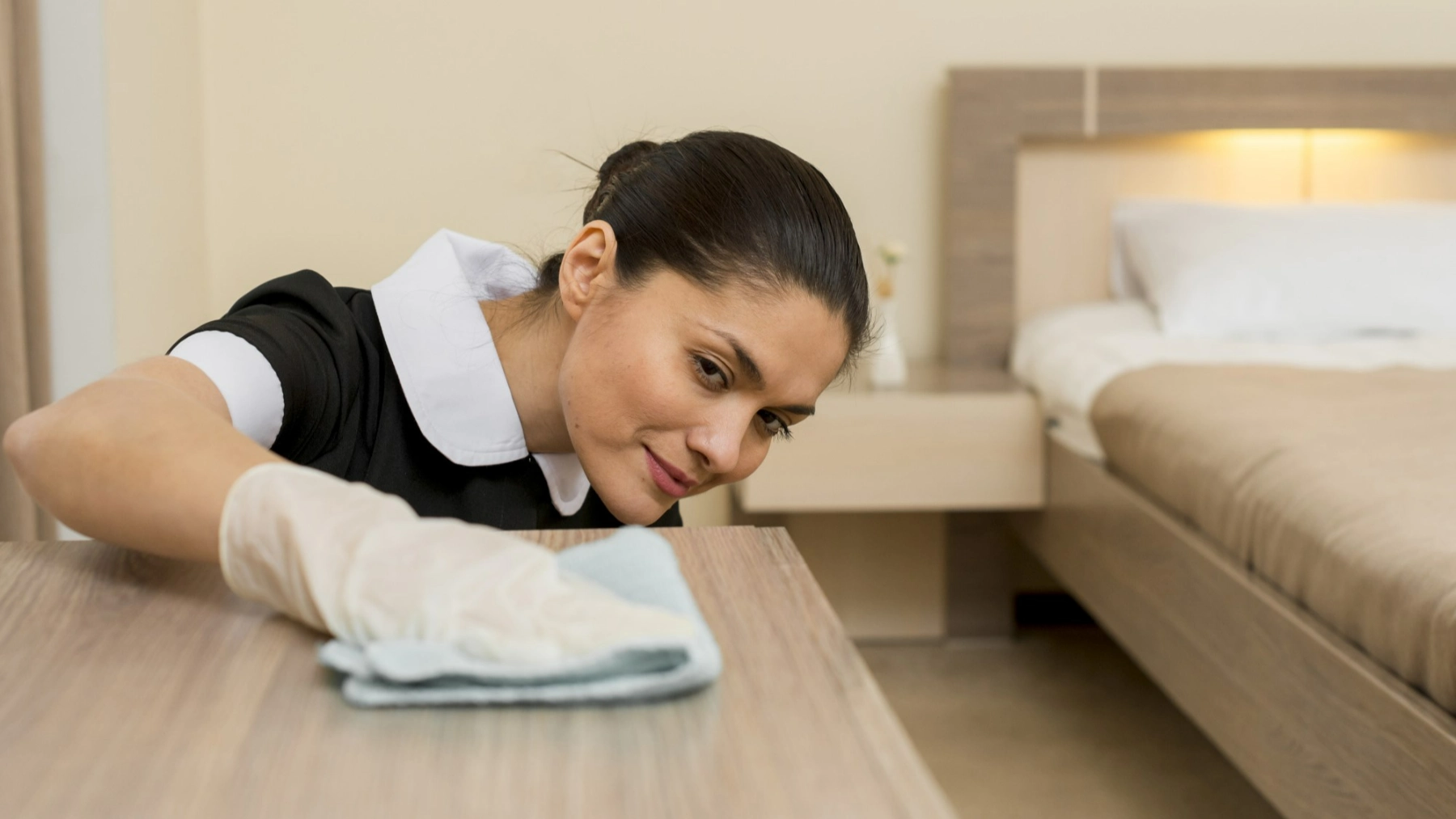


For protecting the health and development of young children, maintaining hygiene in childcare facilities is crucial. Childcare environments are high risk zones for bacteria and viruses, from shared toys and play areas to bathrooms and food preparation spaces. By maintaining cleaning and sanitation standards you can reduce illness, improve attendance and meet regulatory requirements. In this blog, Clean Bees will provide with everything you need to know about Maintaining Hygiene in Childcare Facilities while reducing hygiene risks in childcare environments.
Understanding Hygiene Risks in Childcare Environments
Elevated surface contamination occurs very quickly in areas where people tend to touch such as doorknobs, tables, toys, shared pieces of equipment, etc.
- Not washing hands properly: After diaper changes, restroom use, and nose wiping.
- When doing so with bodily fluids/waste: Improper disposal of nappies, vomit, or blood is a major infection risk.
- Not following the rules of food safety: Storage of food improperly, Preparing/handling of food means you can get sick.
- Environmental Hazards: Dirty carpets, dirty floors, dirty mats, rampant accumulators of allergens and germs.
What are the Key Areas That Require Strict Hygiene Control?
Key areas that require strict hygiene control include:
- Food Preparation and Serving Areas: Kitchens, Food Processing Facilities, Food Storage Areas.
- Greatly Increased Surface Touch Areas: Doorknobs, Light Switches, Keyboards, Elevator Buttons, Countertops, and other surfaces.
- Washrooms and Restrooms: Toilets, Sinks, and Surrounding Areas are common sources of Pathogenic Bugs/Pathogens and tend to be highly contaminated surfaces.
- Healthcare Environments: Hospitals, Patient Rooms, Clinics, and others must ensure the proper sanitization of all surfaces within these facilities to help prevent the spread of infections.
- Community Areas: Cafeterias, Break Areas, Hallways, and Lobbies/Reception Areas require a significant amount of attention to maintain proper sanitation and safer environment.
- Waste Disposal Units: Garbage Storage Areas, Garbage Containers, and Garbage Bins.
- Specialized Tools/Equipment: Chopping Boards, Knives, Medical Devices.
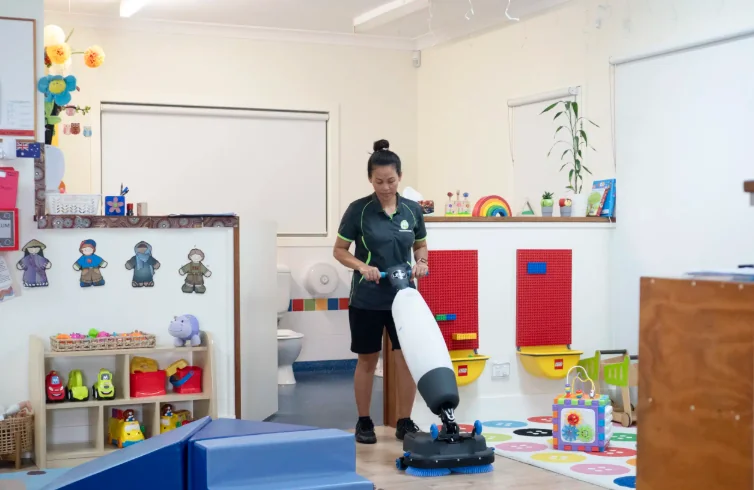
Daily, Weekly & Periodic Cleaning Requirements
1. Daily Cleaning (Routine or High-Traffic Areas) –
Purpose: To keep an area sanitary and to prevent a build up of soils.
Surfaces: Wipe and sanitize the counters in the kitchen, dining tables and bathroom vanities.
Floors: Sweep and/or vacuum the floors in any high traffic areas (entry, kitchen)
Restrooms: Sanitize the toilets, toilet seats and flush handles.
Waste: Empty the trash cans and replace any liners.
Tidy Up: Make the beds, wash the dishes and put away any items that are out of place.
2. Weekly Cleaning –
Purpose: To clean away the grime that has built up over time and to do a deep clean of specific areas.
Floors: Vacuum and mop all floors thoroughly.
Bathroom: Scrub the bathtub and shower, toilet bowl and tile floors.
Dust: Dust all furniture, shelves, baseboards and electronic devices.
Linens: Change the sheets on the beds and wash the towels.
Kitchen: Clean the outside of all kitchen appliances (refrigerator, microwave) and wipe the fronts of the cabinets.
3. Periodic/Monthly Cleaning –
Purpose: To do a thorough clean of areas that have been neglected or that are difficult to reach.
Appliances: Deep clean the oven, take out and clean the shelves in the refrigerator, and clean the filter in the dishwasher.
High Dusting: Clean the ceiling fans, lights and high up shelves.
Furniture and Fabric: Vacuum under the furniture, wash the curtains and clean the blinds.
Walls and Vents: Spot clean walls and vacuum the ductwork.
Child-Safe Cleaning Practices & Products
Cleaning products suitable for children and cleaning methods suitable for child care environments are key parts of providing quality care. Childcare cleaning professionals should use:
- Chemical-free and environmentally friendly products
- Cleaners that are free of heavy chemical residues
- Use cleaners safe for many children with allergies and sensitivities
- ECE Cleaning Regulations compliant cleaning solutions
Why Professional Childcare Cleaning Services Matter?
Professional cleaning services have expertise and equipment, and they provide a consistent level of care, which most in-house cleaning services do not provide. The following are key to the success of utilising professional childcare cleaning services:
- Trained in the specific cleaning requirements of childcare facilities
- Provide a consistent level of cleaning requirements
- Reduce the likelihood of illness spreading throughout the child care facility
- They develop better inspection and audit results than in-house services
How Clean Bees Supports Hygiene in Auckland Childcare Centres?
Clean Bees supports quality care by cleaning in a way that supports the individual needs of the centre. Clean Bees’ support includes:
- Designed cleaning programme for each childcare centre.
- Using chemical-free and environmentally friendly products.
- Using cleaned by thoroughly trained and vetted cleaning professionals.
- Providing flexible after-hours cleaning options.
- Providing services meeting all safety and hygiene standards.
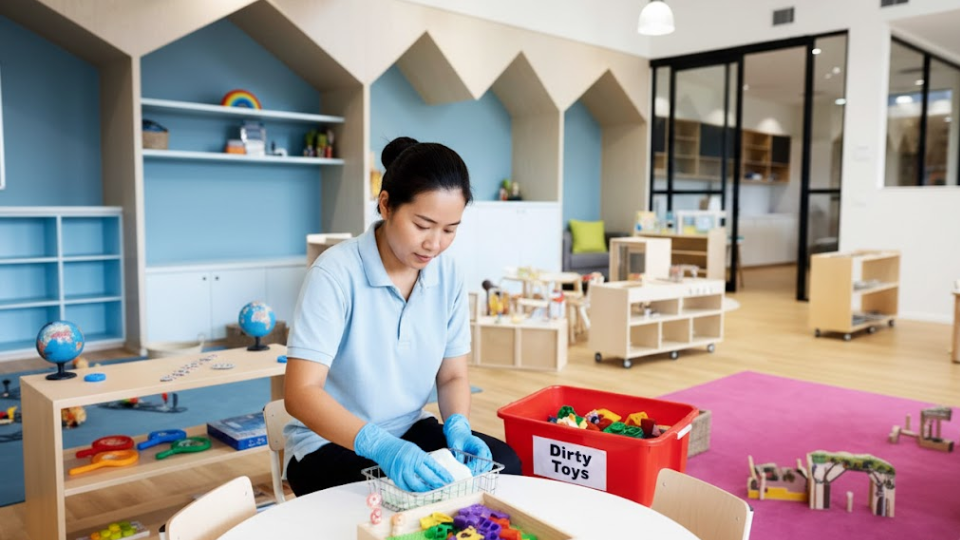
Best Practices for Childcare Staff to Maintain Hygiene
Handwashing: When children or their caregivers arrive at a program, all caregivers should wash their hands thoroughly with soap and water for at least 20 seconds. This will help prevent the spread of germs and bacteria.
Toy Cleaning: Plastic toys must be washed daily using soap and water, followed by disinfectant. All soft toys must be laundered using hot water (60°C) and dryer dried.
Diapering and Toilet Training: Caregivers must use disposable gloves and wipes when changing diapers or assisting children with toilet training. Caregivers must also ensure that the area where children are being diapered or helped to use the toilet is disinfected between each child.
Food Safety: Caregivers must clean and sanitize the high chair and table before and after food is eaten each time a child is fed.
Illness: All caregivers and children who are sick must be instructed to stay home to help prevent the spread of illness.
Environmental Cleaning: All caregivers should sweep and mop the floors in each area every day. Caregivers must use a different set of cleaning equipment or tools for each area and store them separately.
Conclusion
To sum up everything that has been stated so far, the above given information on the topic “Maintaining Hygiene in Childcare Facilities” states hygiene risks in childcare environments, key areas that require hygiene control and frequency of cleaning requirements. If you are looking for reliable childcare facilities cleaning services, feel free to contact Clean Bees by dialing 0800119909 or visit Clean Bees’ website today!
FAQs About Maintaining Hygiene in Childcare Facilities
Question 1: How often childcare centre require professional cleaning?
Answer: Childcare centres should have daily cleaning, and schedule a deep clean at least once (preferably at least once) a week for the entire centre depending on how busy or enrolled they are, as well as requirements from each local authority regarding cleaning frequency.
Question 2: What parts of childcare centres should we clean more often?
Answer: Areas with a lot of contact should be the most frequently cleaned and disinfected including; toys/play equipment, door handles, toilet facilities, nappy-changing stations, eating areas, sleeping areas.
Question 3: What are the hygiene standards in New Zealand for childcare facilities?
Answer: Childcare Centre’s Hygiene/sanitation guidelines must follow New Zealand’s Early Childhood Education (ECE) Regulations regarding cleaning frequency, sanitising items used and how to use safe products.
Question 4: Do cleaning services for child care facilities offer ecofriendly services?
Answer: Yes, many of the cleaning services available today, including Clean Bees, are eco-friendly and provide sustainable cleaning solutions tailored for use in child care settings.