

Maintaining a clean and hygienic environment is essential in any setting where children spend time, such as daycare centers, preschools, schools, and after-school programs. However, cleaning around children requires extra care. Many common cleaning products and practices that are safe for adults can pose risks to kids if used incorrectly. Properly training staff on safe cleaning practices helps prevent accidents, reduces the spread of illness, and creates a healthier environment for children to learn and play.
This guide explains how to effectively train staff on safe cleaning practices for kids, covering essential principles, training methods, and ongoing compliance strategies.
Why Safe Cleaning Practices Matter in Childcare Settings?
Children are more vulnerable to chemicals and germs than adults. Their developing immune systems, frequent hand-to-mouth behavior, and close contact with surfaces increase the risk of exposure to harmful substances.
Unsafe cleaning practices can lead to:
- Chemical burns or poisoning
- Allergic reactions or respiratory issues
- Contaminated toys or food areas
- Increased illness outbreaks
Training staff properly ensures that cleaning supports children’s health rather than putting it at risk.
Steps to Train Staff on Safe Cleaning Practices for Kids
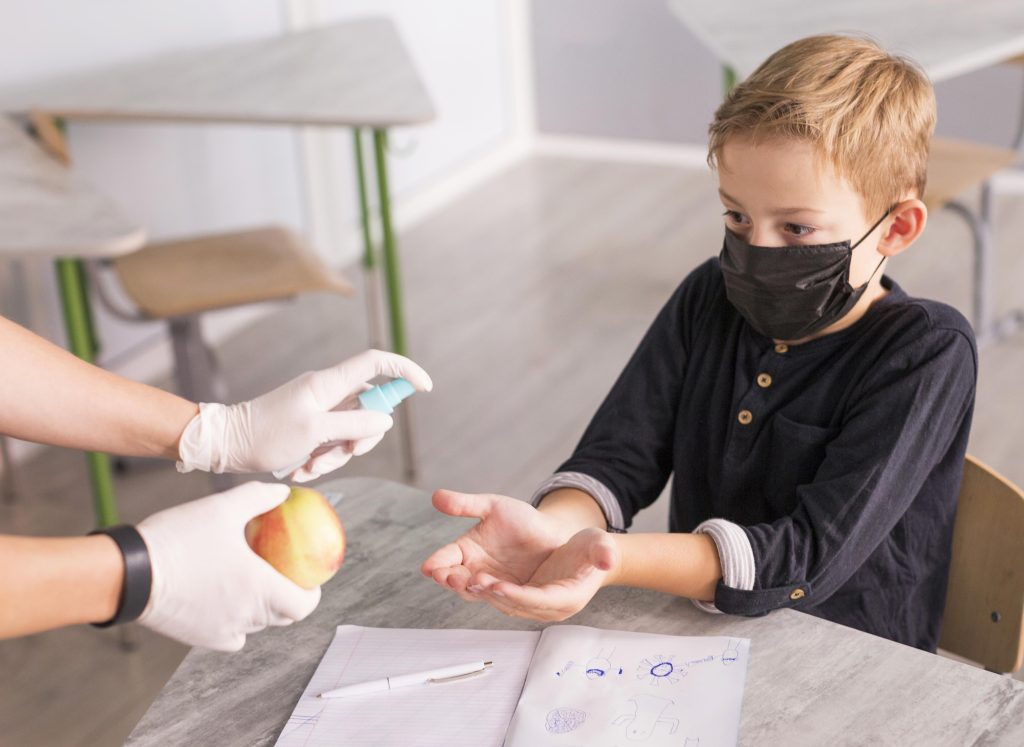
Step 1: Educate Staff on Child-Specific Risks
The first step in training is helping staff understand why cleaning for kids is different.
Key topics to cover:
- Children’s sensitivity to chemicals
- Risks of improper chemical storage
- Dangers of mixing cleaning products
- The impact of fumes on young lungs
When staff understand the “why,” they are more likely to follow procedures consistently and carefully.
Step 2: Use Child-Safe Cleaning Products
Staff should be trained to recognize and use only approved, child-safe cleaning products.
Training should include:
- Reading and understanding product labels
- Identifying non-toxic and eco-friendly cleaners
- Knowing which products are approved by your organization
- Understanding proper dilution ratios
Avoid products containing harsh chemicals like bleach (unless required and used correctly), ammonia, or strong fragrances. Emphasize that more product does not mean better cleaning—it often increases risk.
Step 3: Teach Proper Storage and Labeling
Improper storage is one of the most common causes of accidents in childcare environments.
Staff training should emphasize:
- Storing all cleaning supplies in locked cabinets
- Keeping products out of children’s reach at all times
- Never leaving cleaning supplies unattended
- Ensuring all containers are clearly labeled
Even briefly unattended supplies can lead to serious incidents, so staff must understand that vigilance is non-negotiable.
Step 4: Demonstrate Safe Cleaning Techniques
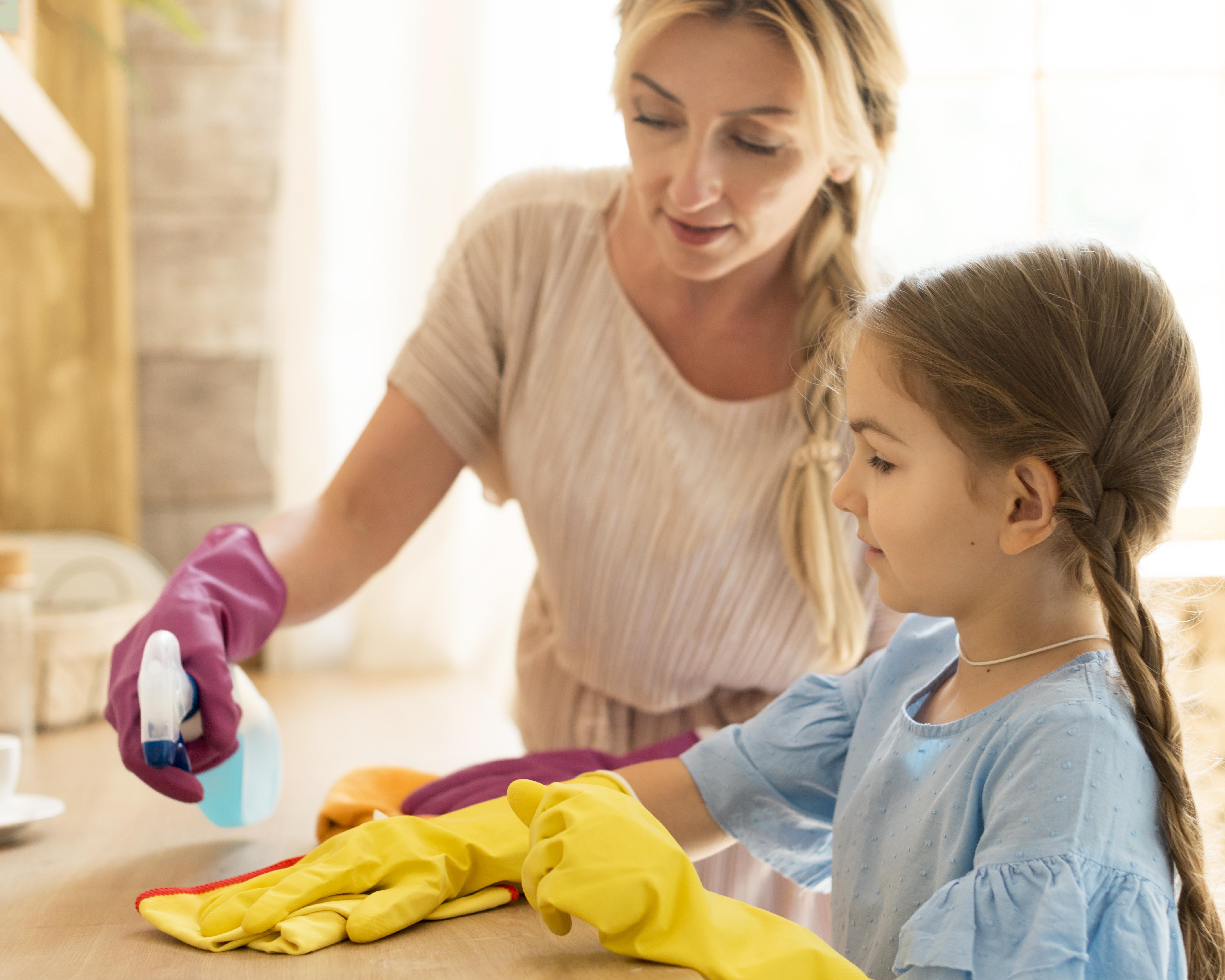
Hands-on demonstrations are one of the most effective training tools.
Show staff how to:
- Clean and disinfect toys safely
- Sanitize eating surfaces without residue
- Clean spills quickly and safely
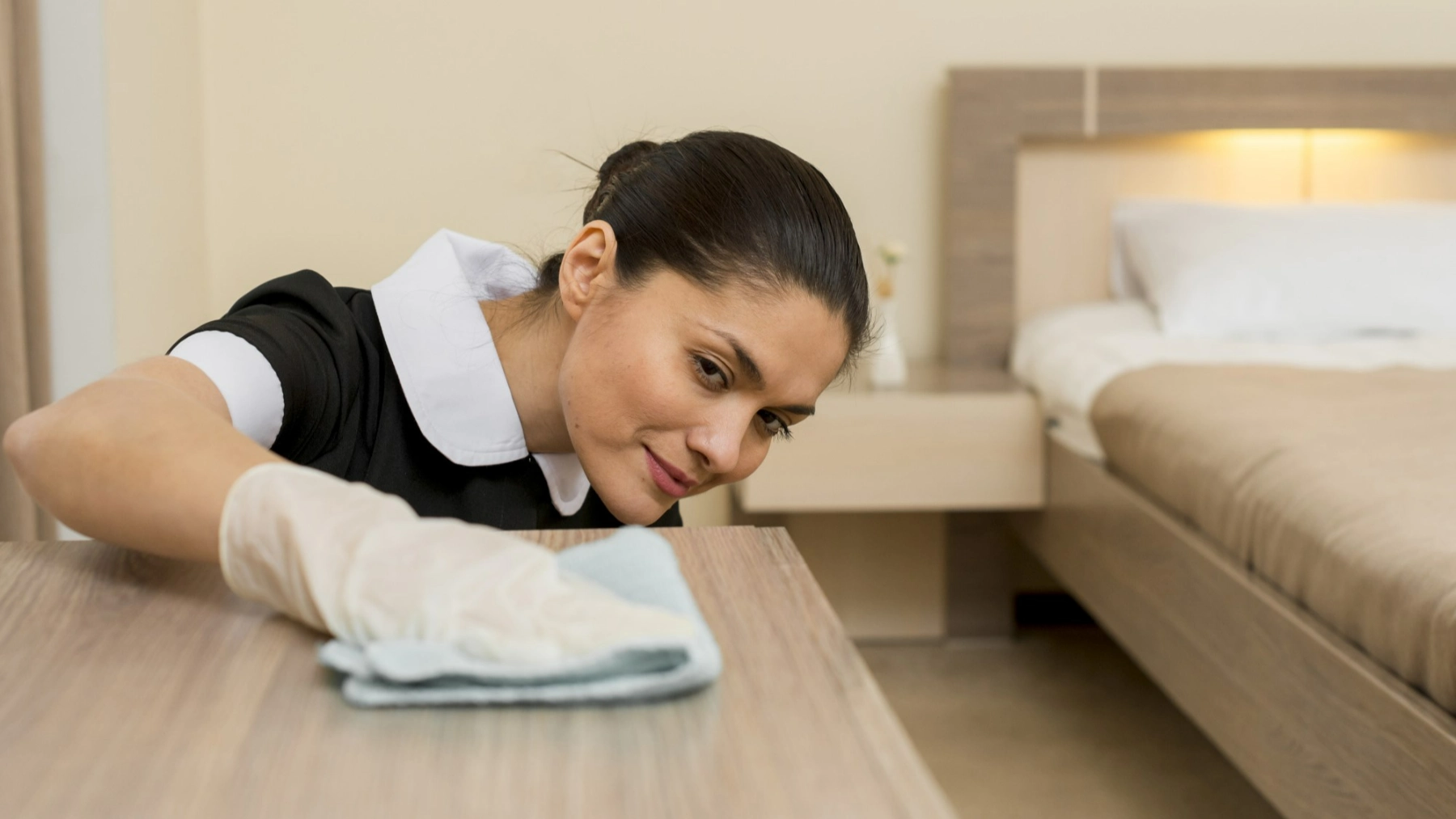
- Use gloves and wash hands properly afterward
Training should clearly distinguish between cleaning (removing dirt) and disinfecting (killing germs), and explain when each is appropriate.
Step 5: Schedule Cleaning Around Children’s Routines
Timing matters just as much as technique. Staff should be trained to clean in ways that minimize children’s exposure.
Best practices include:
- Cleaning when children are not present, if possible
- Allowing surfaces to dry completely before use
- Ventilating rooms during and after cleaning
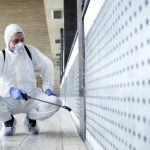
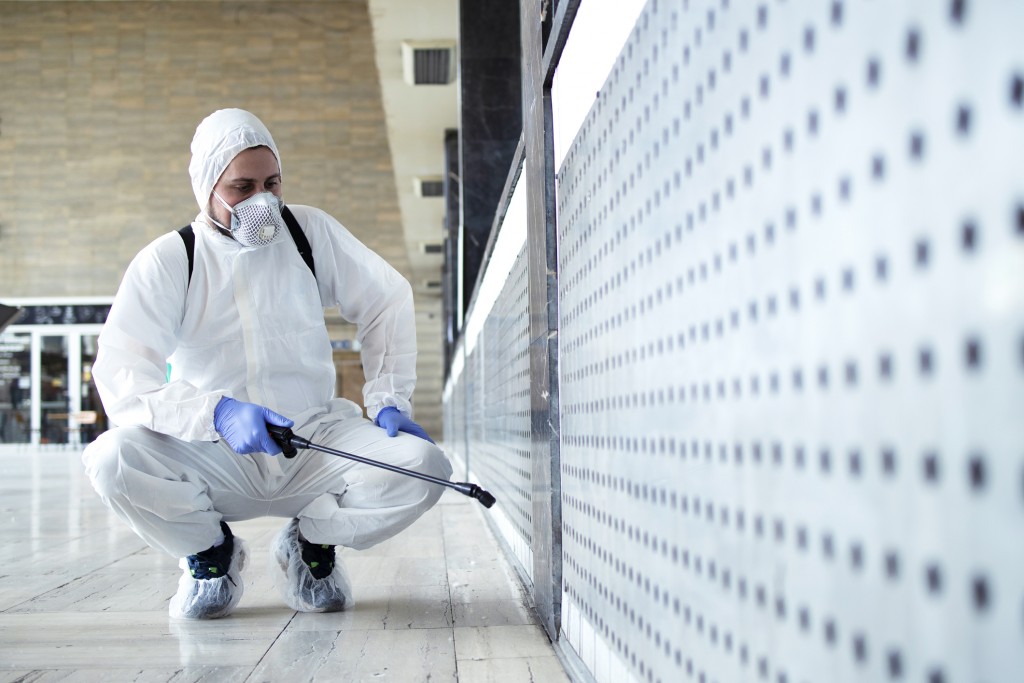
- Avoiding strong sprays around kids
This reduces inhalation risks and prevents children from touching wet or recently treated surfaces.
Step 6: Establish Clear Cleaning Protocols
Written protocols help ensure consistency and accountability.
Training should cover:
- Daily, weekly, and monthly cleaning schedules
- Area-specific procedures (bathrooms, kitchens, play areas)
- Spill and biohazard cleanup procedures
- Emergency response for chemical exposure
Provide staff with easy-to-follow checklists and visual guides to reinforce training.
Step 7: Train on Personal Protective Equipment (PPE)
Even with child-safe products, staff should protect themselves properly.
Include training on:
- When and how to use gloves
- Proper handwashing techniques
- Avoiding face touching during cleaning
- Safe disposal of wipes, paper towels, and gloves
Healthy staff help maintain a healthy environment for children.
Step 8: Reinforce Hygiene and Cross-Contamination Prevention
Cleaning training should go hand-in-hand with hygiene education.
Staff should learn:
- How germs spread in childcare settings
- The importance of cleaning high-touch surfaces
- Avoiding cross-contamination between areas
- Using separate tools for bathrooms and food areas
Color-coded cleaning tools can be a helpful visual system to reinforce these practices.
Step 9: Provide Ongoing Training and Refreshers
One-time training is not enough. Regular refreshers help maintain standards and adapt to new products or regulations.
Ongoing strategies include:
- Annual or semi-annual refresher sessions
- Training for new hires
- Short safety reminders during staff meetings
- Updates when procedures or products change
Encourage staff to ask questions and report concerns without fear of blame.
Step 10: Monitor, Evaluate, and Improve
Finally, supervisors should observe cleaning practices and provide constructive feedback.
Effective monitoring includes:
- Routine safety audits
- Spot checks of storage areas
- Reviewing incident reports
- Encouraging staff feedback
Continuous improvement ensures cleaning practices stay safe, effective, and compliant with regulations.
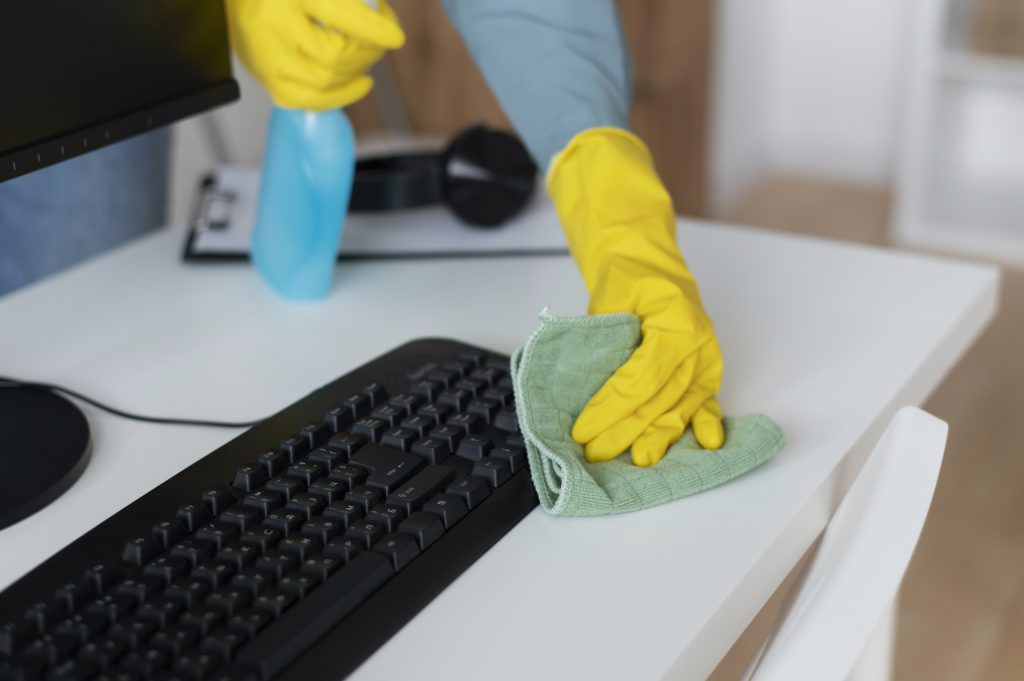
Benefits of Proper Staff Training
When staff are well-trained in safe cleaning practices, childcare facilities benefit from:
- Fewer accidents and health incidents
- Reduced spread of illness
- Increased parent trust and confidence
- Better compliance with health regulations
- A safer, more positive environment for kids and staff
Frequently Asked Questions
1. Why is staff training on safe cleaning practices important for kids?
Children are more sensitive to chemicals and germs than adults. Proper training ensures cleaning practices protect children’s health rather than exposing them to unnecessary risks.
2. What types of cleaning products are safest for childcare settings?
Non-toxic, fragrance-free, and child-safe products are best. Always use products approved for use around children and follow label instructions carefully.
3. How often should staff receive cleaning safety training?
Initial training should be provided during onboarding, with refresher sessions at least once a year or whenever products or procedures change.
4. Should cleaning be done while children are present?
Whenever possible, cleaning should be done when children are not in the area. If cleaning must occur during the day, ensure proper ventilation and keep children away until surfaces are dry.
5. How can facilities prevent accidental chemical exposure?
Store all cleaning products in locked cabinets, never leave supplies unattended, and train staff to follow strict storage and labeling rules.
6. What is the difference between cleaning and disinfecting?
Cleaning removes dirt and debris, while disinfecting kills germs. Both are important, but disinfecting should be used only when necessary and according to guidelines.
7. How can staff avoid cross-contamination?
Use separate cleaning tools for different areas, wash hands frequently, and follow established cleaning protocols for each space.
8. What should staff do if a child is exposed to a cleaning product?
Follow the facility’s emergency procedures immediately, seek medical help if needed, and document the incident according to policy.