

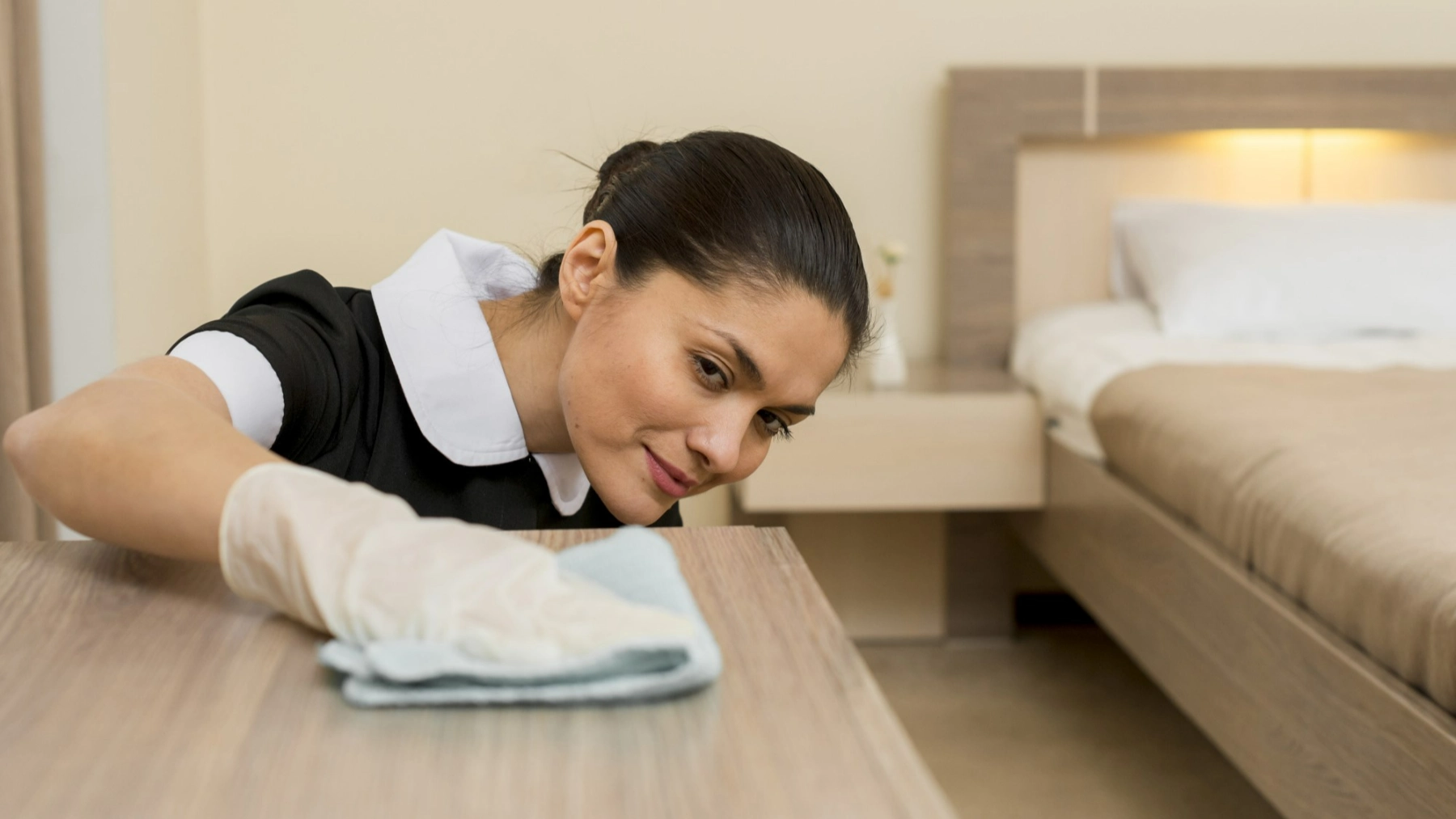
Common hotel cleaning challenges and how to solve them – In Auckland, the largest city and a major tourism and business hub, there are high accuracy rates year-round. In the hotel industry, the reputation of the hotel depends on its high-quality services. It is a responsibility to maintain the essential aesthetics of the property to feel a safer and more welcoming environment for the guests. Common hotel problem occurs in many forms, whether guest complaints, paperwork problems, line in the hobby, cold showers, there are almost lots of challenges in the hotel industry.
To attract the guests’ attention, the hospitality industry’s main focus is on detailing cleaning. It is important for guest satisfaction and reviews. In Auckland, season-by-season, hotels face more challenges. Let’s discuss the common hotel cleaning challenges and the ways to solve them. Managing high turnover over the season is difficult due to bathroom mold, humidity, dust in old buildings, and stubborn buildings.
- Cleaning Policy:
- The vision, which provides an opportunity to align with the hotel’s brand and goals
- House-specific standards according to the hotels
- Guidelines for conduct, including engagement with guests and reporting faulty appliances
- Procedures for public areas and back of house by frequency
- Checklists by room type for cleaning during a guest’s stay, turn-down service, and turnovers between guests.
The common hotel cleaning challenges:
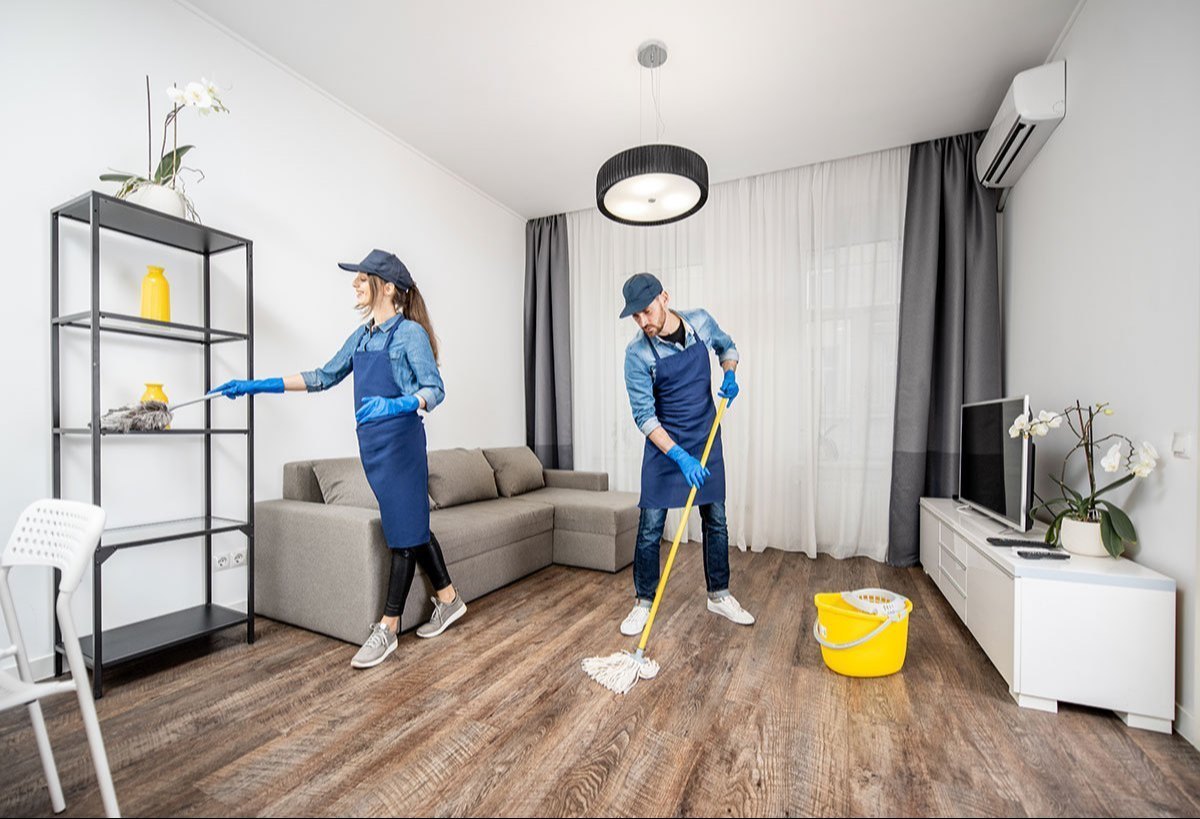
- Maintaining consistent cleaning standards
In a large hotel, multiple hotel rooms are cleaned daily. There are different problems, such as inconsistent room representation, missing details in the room or hotel, and variation in bathroom sanitation. Inconsistent cleaning can quickly result in negative reviews.
Consistency is required in the cleaning procedure, which is the Clean Standard Operating Procedure. Superior inspection should be the area. Routine quality audits. Regular training programs.
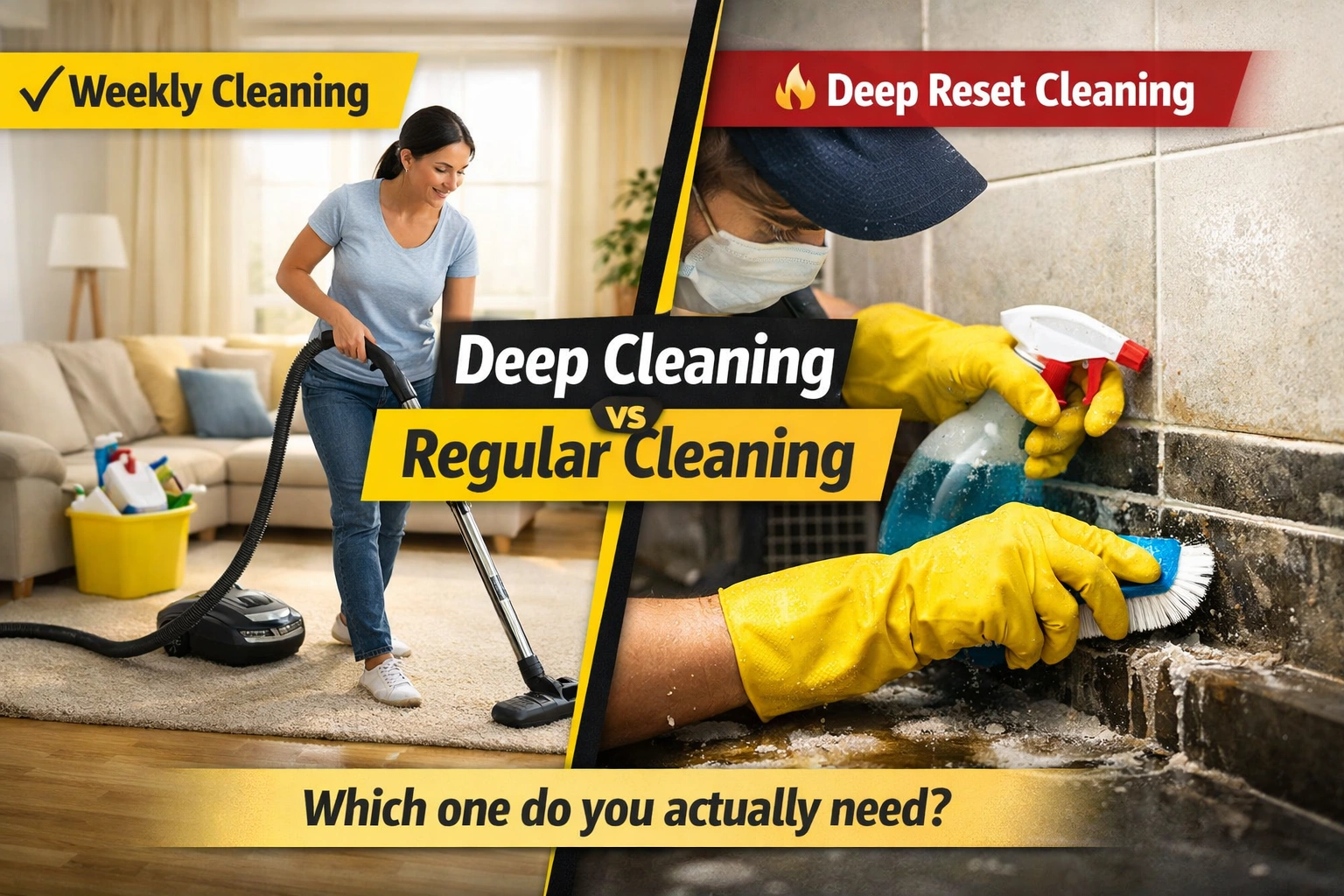
- Deep Cleaning in High Traffic Areas
The passage describes the common problem. Regularly usable areas like lobbies, reception areas, lifts, and corridors experience heavy daily use. Indoor environment hygiene that impacts health, lifespan, and furnishing. Carpets get stained from spilled coffee, tracked-in dirt, and general foot traffic. Dust settles in corners and on surfaces. Door handles, elevator buttons, and check-in counters accumulate germs and grime from countless hands touching them throughout the day.
Steam cleaning penetrates deep into carpet fibers to remove embedded dirt, stains, and odors that daily vacuuming can’t reach. Lobby furniture, waiting area seating, corriodar benches should be professionally cleaned regularly.
- Inventory & Supply Management
Implementing comprehensive automated inventory systems, such as track supply management, real-time tracking, and barcodes, to reduce manual errors. Get the details of the proactive stock adjustment to prevent shortages.
- Follow the dedicated cleaning checklist per area
Although cleaning checklists are already fundamental for housekeeping staff, it would be best to tailor each list to specific areas of the hotel. For example, the lobby cleaning checklist should include wiping the entrance doors, windows, and glass panels to eliminate smudges. The gym checklist must cover cleaning and disinfecting the gym equipment, mats, and the like.
- Hygiene and Sanitation
Guest awareness regarding hygiene. To meet these expectations, facilities must move beyond surface cleaning and focus on “high-touch” hotspots such as :
- Door handles
- Remote Controls
- Light Switches
- Bathroom Fixtures
- Elevator Buttons
Regularly sanitizing the things and the equipment that are going to be used, chemical handling, and personal protective equipment can solve these kinds of problems.
- Managing Moisture & Mould in Auckland’s Climate
In Auckland’s humid coastal environment, managing moisture is essential to prevent structural damage and health risks.
Let the airflow through windows, extractor fans in the kitchen, and bathroom to vent steam directly outside. Maintenance and repair of the leaky pipes or roofs. Regularly wipe moisture from windows and walls.
- Staff Training
Providing ongoing, specialized training in proper cleaning technique and safety protocols. Improves employee retention and morale by increasing positive engagement and providing clear feedback through accessible digital platforms.
Frequently Asked Questions for Common hotel cleaning challenges and how to solve them
1) How can we speed up Room Turnover without Losing Quality?
Answer: Speeding up hotel turnover in Auckland without losing quality relies on streamlining communication, adopting technology, and empowering housekeeping staff with a standardized, efficient workflow.
2) How much does it cost for normal hotel cleaning?
Answer: In Auckland, the normal hotel cleaning cost, categorized under hospitality or commercial cleaning around $35 to $70 per cleaner, depending on whether you hire an individual or a professional service.
3) Who provides the best cleaning services?
Answer: Clean Bees is known for reliable scheduling, customised cleaning plans, and a strong commitment to customer satisfaction, making them a trusted choice for hotels, homes, and businesses alike in Auckland.
4) What eco-friendly machines are used for cleaning?
Answer: Eco-friendly machines in Auckland are used for both commercial and residential cleaning. Uses autonomous machines, water consumption, robotic machines, and low-noise equipment.
5) How can we improve efficiency in cleaning?
Answer: Improving efficiency in Auckland involves proper equipment, tools, strategic planning, and cleaning technique specially focusing on high traffic areas and reducing chemical waste.
6) What are the safety regulations for the cleaners?
Answer: Requiring cleaners to eliminate and minimize risk, exposure to cleaning chemicals, and injuries from manual work.