


Cleaning Protocols for Patient Rooms and Wards: Ensuring a Safe and Hygienic Environment:
At CleanBees, we’re dedicated to providing high-quality cleaning services that adhere to the highest standards in healthcare. Whether you’re managing a hospital ward or a small clinic, our expert team is here to ensure your facility is safe, sanitary, and infection-free.
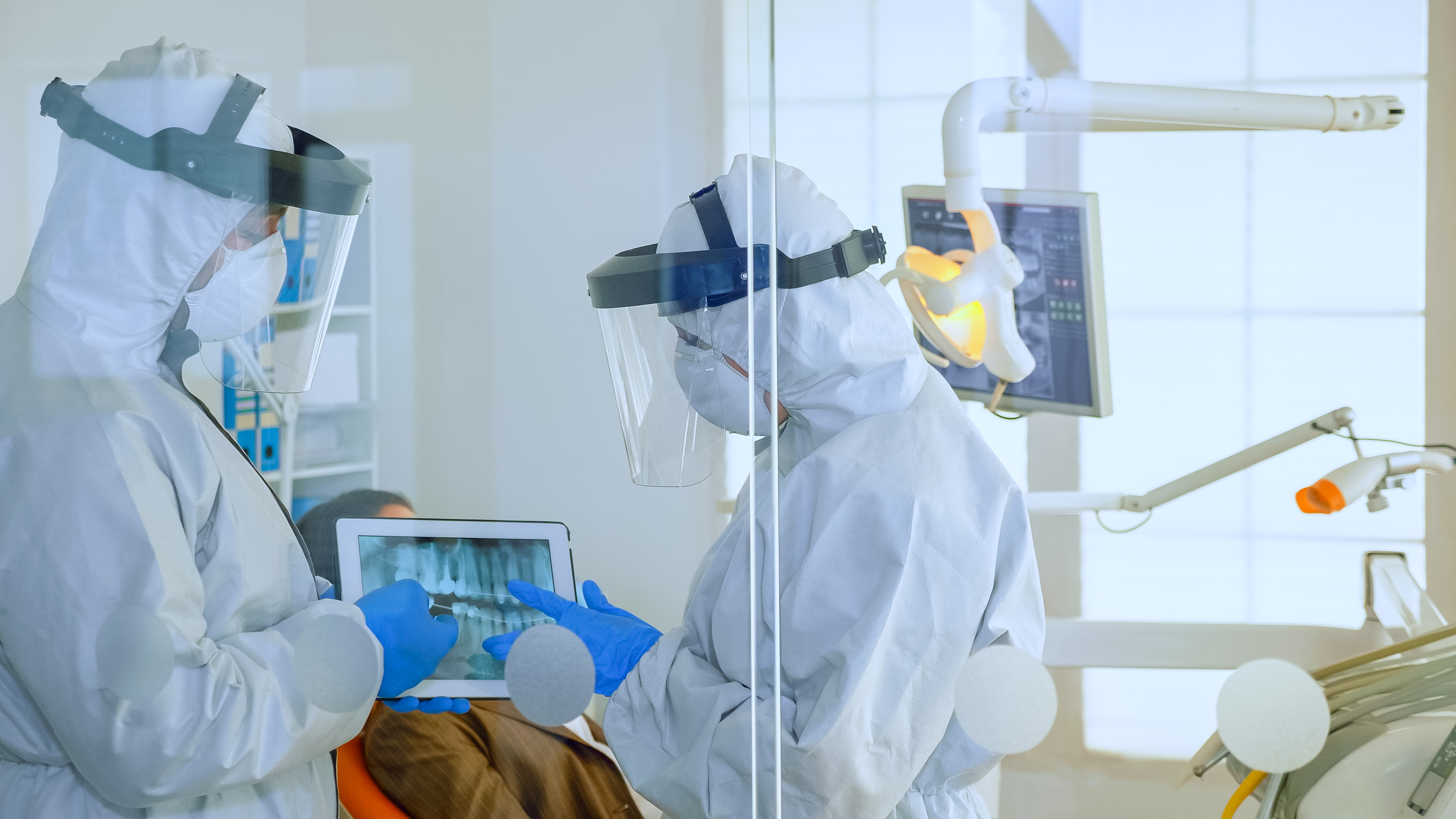
We know how important it is to have clean patient rooms and hospital floors when it comes to your safety. Good cleaning is vitally important not only for infection control but also to ensure that patients are in a healing environment. Hygiene in hospitals, health clinics, and healthcare facilities is not just about cleaning surfaces but preventing the spread of infection, which can help keep patients and staff safe.
In this guide, we’ll discuss the importance of proper cleaning practices and some best practices for ensuring the environment in healthcare settings is clean and safe.
The Importance of Cleaning Systems in Healthcare
Nosocomial infections are a major problem in health care facilities. Nearly 1 in 31 hospital patients has at least one healthcare-associated infection during the month, according to data from the Centers for Disease Control and Prevention (CDC). They also tend to be spread from surface contamination, equipment, or poor hand-washing practices.
Successful cleansing practices aim:
- Stop the Spread of Infections: Cleaning surfaces and surroundings lowers the risk of harmful pathogens left on an object would spreading.
- Create a safer healing environment: One’s surroundings, which are clean and free from germ contamination, can help one heal quickly and ensure better patient outcomes.
- Adhere to medical standards: Hospitals and healthcare centers have stringent cleanliness requirements in order to comply with government healthcare regulations so that they do not get fined or sued.
- Increase patient and staff confidence: Making hand hygiene visible shows patients that safety is a top priority.
What are the Cleaning Guidelines for Patient Rooms and Wards
CleanBees uses some of the most advanced methods available, so your medical facility is cleaner than ever before. Here are the key cleaning practices we use for patient rooms and hospital wards.
- Pre-Cleaning Assessment
In preparation for any cleaning protocol, a cursory review is conducted to identify high-touch and potential exposure points. Their findings provide our team with insight into what needs a little more TLC and the best cleaning products for each area.
- Thorough Surface Disinfection
Decontamination is of utmost importance in reducing the transmission of pathogens in health care settings. CleanBees disinfects high-touch areas with an EPA-approved hospital-grade virucidal and bactericidal that is effective against:
- Bed rails and headboards
- Door handles
- Light switches
- Call buttons
- Sink faucets
- Over-bed tables
We are following the cleaning procedure:
Clean to remove dirt and debris, then disinfect to kill germs and viruses.
1. Cleaning Medical Equipment
There is a need to clean and disinfect medical devices such as monitors, infusion pumps, etc., at regular intervals in order to avoid cross-contamination. The company takes care to wipe each item with a safe, non-abrasive disinfectant that won’t damage the various sensitive technologies.
2. Floor Cleaning and Maintenance
Floors are a surprisingly prolific gathering place for germs. Advanced floor cleaning and methods are what CleanBees employ on every floor to guarantee nothing less than clean. This includes:
- Wet mopping with hospital-grade disinfectants
- High-frequency scrubbing of high-traffic areas
carpets (if applicable), specially cleaned via steam or deep cleaning techniques - Air Quality and Ventilation
It is important for patient health that indoor air quality be optimal. With CleanBees, air vents and filters get cleaned out on a regular basis to avoid the collection of dust and allergens. We also offer air sanitization as an extra measure to limit the spread of airborne pathogens.
3. Bed Linen and Upholstery Cleaning
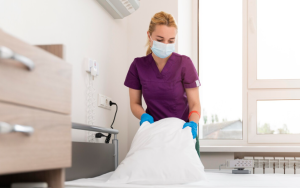
Patient room linens and upholstery need to be cleaned regularly to reduce the accumulation of germs and allergens. At CleanBees, our laundry and disinfection processes are extremely rigorous to keep the bedding, pillows, and mattresses sanitized and fresh for each patient who uses them.
4. Waste Disposal and Biohazard Management
In hospitals, waste removal isn’t just a matter of cleanliness — it can be a matter of safety. This exclusive technology bag kills all threats of contamination from fluid and infectious waste, with CleanBees taking care of proper medical waste removal & biohazard procedures.
What is the Suggested Procedure for Cleaning Patient Rooms and Wards?
Below is a list of some best practices we use to ensure top-level cleanliness in your healthcare facility:
- Training and Certification: Cleaning personnel at Green Planet undergo training and are certified for specialist hospital-grade cleaning methods and disinfectant management.
- Frequent Monitoring and Inspections: Periodic monitoring and inspection ensure that team members are following cleaning protocols consistently, focus on high-touch areas.
- Microfiber Cloth: These can hold dirt and bacteria which prevents the germs from being spread while cleaning as with traditional materials.
- Sustainability: Minimizing the impact of cleaning on the environment by using eco-friendly cleaning products where possible.
What Does CleanBees Have to Do with Health Care Hygiene?
Patient Safety and Infection Control are important to CleanBees. Our team of cleaners works with the most advanced systems while following FDA guidelines to ensure cleaning and sanitizing excellence for your healthcare facility. We adhere to CDC guidelines for infection prevention, offering services beyond our routine cleaning, such as terminal cleaning upon patient discharge, isolation room cleaning, and more.
When you contract with CleanBees, you can ensure that you are taking precautions to keep your patients, staff, and visitors healthy.
The Importance of Ongoing Cleaning
Here, anything less than regular cleaning won’t do — patient rooms and hospital wards demand constant attention to remain clean. Ongoing cleaning routines should include:
- Daily cleanings: Frequent cleaning routines, especially for high-contact surfaces, floors, and common areas.
- Regular disinfection: Wiping down surfaces to maintain a level of disinfection throughout the day, particularly in high-traffic areas.
- Room isolation protocols: Rooms for infectious cases require extra cleaning and disinfection processes.
How CleanBees Stands Out
- Staff that’s trained in healthcare: We ensure all of our employees have specific training for cleaning a healthcare facility.
- Customized cleaning services: Our cleaning programs are customized to the specific requirements of your health care facility, whether for patient rooms or entire hospital floors.
- Quality workmanship and fair prices & Quick, efficient service: Our combined focus on quality and speed means rooms are cleaned quickly without sacrificing cleanliness.
- Eco-friendly practices: We rely on green cleaning products as often as we can to limit our trademark impact on the environment without skimping on the quality of cleaning.
So why is cleaning patient rooms so critical?
Cleaning of patient rooms is a basic requirement in preventing the spread of infections, maintaining patient safety, and providing a healing environment. It prevents both the patient and healthcare workers from deadly pathogens if we disinfect properly.
Frequently Asked Questions for Cleaning Protocols for Patient Rooms and Wards:
Question 1. What chemicals do you use to clean and disinfect?
Answer. Here at CleanBees, we trust and utilize only EPA-approved, safe, effective, hospital-grade disinfectants. They are specifically selected to exterminate multitudes of bacteria, viruses, and fungi that grow in healthcare institutions.
Question 2. How frequently should patient rooms be cleaned?
Answer. Patients’ rooms must be cleaned at least once a day, but high-touch surfaces should be disinfected two to three times a day to avoid cross-contamination. CleanBees provides a cleaning recipe tailored to your facility.
Question 3. Do you clean medical equipment?
Answer. Yes! CleanBees is now operating a safe and effective medical equipment cleaning service, including monitors, infusion pumps, and diagnostic tools, through highly controlled policies and procedures that leave the devices perfectly clean and sanitized for patient use.
Question 4. What is terminal cleaning?
Answer. Terminal cleaning is a thorough disinfecting after patient discharge or transfer. It consists of stripping all surfaces and equipment in the room to destroy any remaining pathogens.
Question 5. Is bio-hazard waste Can CleanBees disposed of?
Answer. Yes! CleanBees abides by biohazard regulations for the proper disposal of medical waste and other dangerous waste. It is 100% safe for patients as well as your facility.